
Lying awake at 3 a.m. can make any possible remedy sound tempting. If you’ve searched acupuncture insomnia, you probably want an alternative treatment that offers non-prescription support, not just a pleasant hour on a treatment table.
Acupuncture may improve self-reported sleep quality for some people when pain, stress, or anxiety contribute to insomnia. However, research is still less certain about whether it consistently changes sleep duration or other objective outcomes.
This post may contain affiliate links. If you make a purchase through these links, I may earn a small commission at no extra cost to you.
Key takeaways
- Acupuncture can lead to self-reported improvements in how well people sleep, but study quality varies and results aren’t guaranteed.
- It shouldn’t replace cognitive behavioral therapy for insomnia (CBT-I), which has stronger evidence for chronic insomnia. Sleep hygiene can support treatment, but routine changes alone don’t cure insomnia.
- Most treatment plans involve an initial consultation followed by a short course of sessions, often around 5 to 10.
- Side effects are usually minor, such as bruising, brief soreness, or pinpoint bleeding, so choose a properly trained practitioner.
- Never stop sleep medications or sedatives without speaking with the clinician who prescribed them.
Acupuncture insomnia: what studies show
The most consistent finding is an improvement in sleep quality reported by patients. People often describe falling asleep more easily, waking less often, or feeling more rested after treatment.
The evidence is encouraging, but it isn’t conclusive. This limited clinical research involves small, heterogeneous studies. Some are randomized controlled trials, but their methods and comparison groups vary.
The US National Center for Complementary and Integrative Health notes that a 2021 review of 11 studies involving 775 participants suggested acupuncture may help insomnia. It also warned that the studies were small and varied widely in design. Its overview of complementary approaches for sleep disorders gives the right level of caution.
Better sleep scores don’t always mean longer sleep
Researchers often use the Pittsburgh Sleep Quality Index (PSQI) and Insomnia Severity Index (ISI). These questionnaires matter because insomnia is about your experience of sleep, not only a number on a wearable device.
Yet sleep diary scores can improve without a matching shift in polysomnography, the overnight test that measures sleep in a lab. A 2025 systematic review of chronic insomnia trials reported better patient-rated outcomes compared with sham acupuncture.
Objective measures, including sleep efficiency, the proportion of time in bed spent asleep, and sleep duration, remained uncertain.
That gap doesn’t mean improvements in perceived sleep are imaginary. They don’t establish reliable increases in objective sleep time, either. Research can’t yet promise that acupuncture reliably adds an hour of sleep for everyone.
A treatment that makes sleep feel less effortful can be worthwhile, but it still deserves the same honest scrutiny as any other insomnia treatment.

What acupuncture may change in the body
Acupuncture is part of traditional Chinese medicine. Practitioners place fine, sterile needles at selected acupuncture points, then leave you resting briefly. Some clinics also use electroacupuncture, where a mild electrical current passes between needles.
Modern research has explored several possible biological pathways involving sleep and the central nervous system. These theories are useful, but no single pathway has been confirmed as the reason acupuncture may help sleep.
Lowering the body’s alert response
Insomnia often has a “tired but wired” quality. Your body is exhausted, yet your mind scans for problems and every small noise feels loud.
Acupuncture may influence the autonomic nervous system, including the sympathetic nervous system, linked with fight-or-flight responses, and the parasympathetic nervous system, linked with calmer states. That shift could support relaxation and ease tension or anxiety, making bedtime feel less like a performance test, but it remains unproven.
Melatonin, cortisol, and neurotransmitters
Small trials have examined melatonin, cortisol, GABA, and serotonin. A recent review of sleep and endocrine effects reported associations with increased melatonin secretion and lower cortisol levels after acupuncture-based treatment.
Any relationship with circadian rhythms remains uncertain. Still, results don’t line up perfectly. One multicentre electroacupuncture trial found sleep improvements without meaningful changes in salivary melatonin or cortisol. So, treat these hormone findings as possible mechanisms, not proof of causation.
What an acupuncture plan for insomnia looks like
A thoughtful treatment begins with questions, not needles. Your practitioner should ask when the sleep problem started, what happens during the night, and about medicines, supplements, caffeine, alcohol, mood, pain, menstrual changes, snoring, restless legs, and symptoms of other sleep disorders.
Traditional Chinese medicine practitioners may also examine the tongue, feel the pulse, and ask about temperature, digestion, and daytime energy. They use this wider pattern to choose points rather than applying one fixed prescription.
Points and treatment styles vary
You may hear names of acupuncture points such as Shenmen (HT7), Sanyinjiao (SP6), Anmian, or Yintang. Their use depends on the practitioner and your symptoms.
Someone who wakes with racing thoughts may receive a different combination from a person kept awake by neck pain or restless legs. Auricular acupuncture, which uses points on the ear, and electroacupuncture are also options.
No point combination has enough strong evidence to claim it is the best for every type of insomnia.
How many sessions before you judge it
Many clinics suggest an initial appointment followed by weekly sessions. In a multicentre electroacupuncture trial, participants had 10 sessions and reported better-rated sleep without serious adverse effects.
A practical trial is often four to six sessions, but this isn’t an evidence-established optimum. Your practitioner may recommend a different schedule. Keep a simple sleep diary during that time. Record bedtime, estimated time to fall asleep, awakenings, wake-up time, and how you felt the next day.
You can estimate sleep efficiency by dividing estimated sleep time by time in bed. Wake time and sleep timing may also reveal patterns related to circadian rhythms, but a diary is for monitoring, not diagnosis.
In the UK, private appointments commonly cost around £55 to £100 per session. Longer sessions in some cities cost more. Ask about the full expected cost before booking a package.
Safety, side effects, and sleep medications
When a qualified professional uses sterile, single-use needles, acupuncture generally has a favorable safety profile. It isn’t risk-free. The most common reactions are minor, including a small bruise, brief bleeding, soreness, light-headedness, or temporary fatigue.
Tell the practitioner if you take anticoagulants, have a bleeding disorder, are pregnant, have a pacemaker, or have a skin infection near the treatment area. The NHS also advises caution for people taking blood-thinning medicine or those with an increased bleeding risk.
Don’t change sedatives on your own
Acupuncture can sit alongside conventional care, but it doesn’t make prescription medicines automatically unnecessary. Benzodiazepines, Z-drugs, sedating antidepressants, and antihistamines can cause withdrawal effects or rebound insomnia when stopped suddenly.
Give your acupuncturist a full list of prescriptions, over-the-counter remedies, herbs, and supplements. Then speak to your GP or prescriber before reducing or changing any medicine. A gradual, medically supervised plan is safer and far more likely to work.
If low mood, panic, trauma symptoms, severe snoring, breathing pauses, or an irresistible urge to move your legs affects sleep, seek medical assessment for possible sleep disorders rather than relying on acupuncture alone.
Pair acupuncture with treatments that address insomnia’s habits
Acupuncture may help you feel calmer, but it can’t undo the learned fear of bedtime by itself. This cycle is common in chronic insomnia. Clock-watching, staying in bed longer, and trying harder to sleep can maintain distress, while anxiety may also contribute.
CBT-I is a form of cognitive behavioral therapy that uses sleep scheduling, stimulus control, and cognitive techniques. It also addresses unhelpful beliefs about sleep and has a stronger evidence base than acupuncture for persistent insomnia.
Keep the supporting routine simple
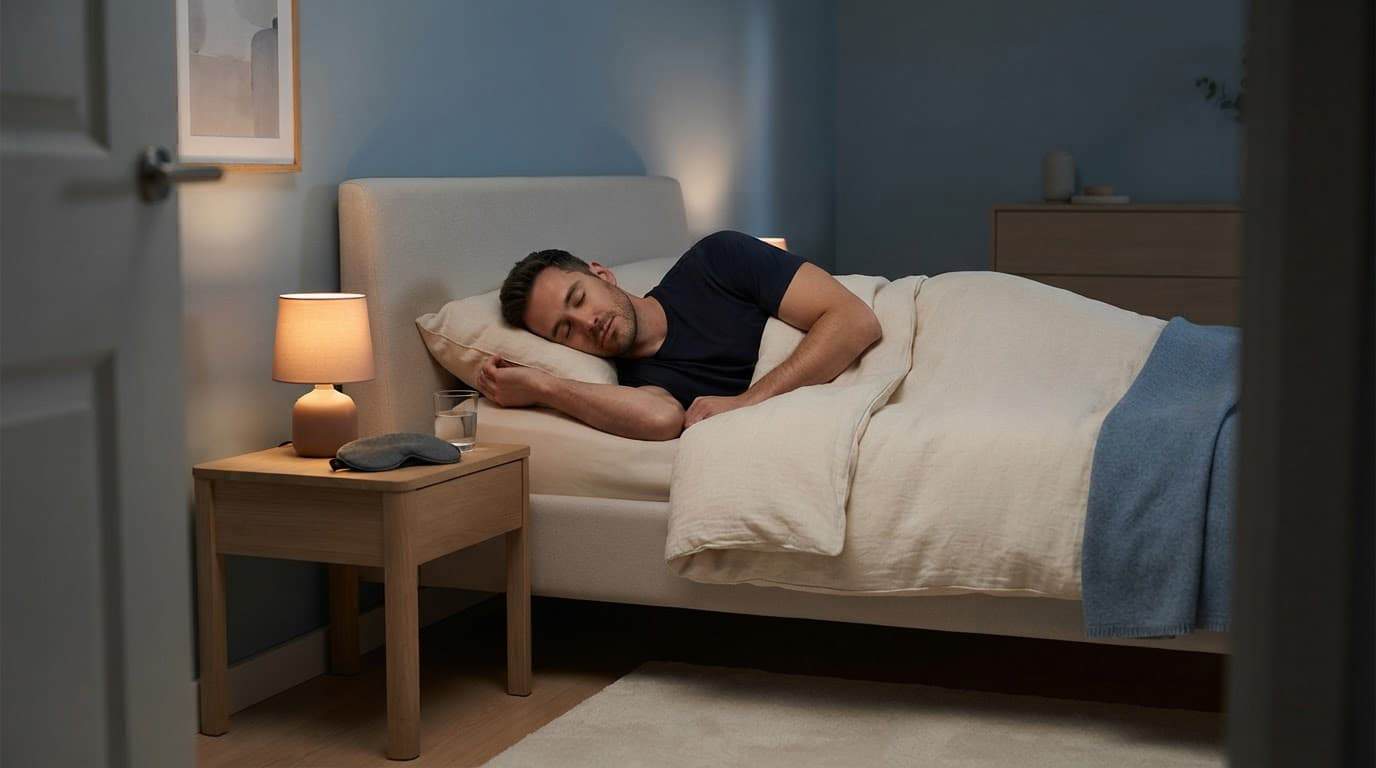
Keep sleep hygiene simple and practical, choosing one or two changes you can repeat every day. These habits can support treatment, but they aren’t a substitute for CBT-I. For example:
- Get up at roughly the same time each morning, including weekends, to support regular circadian rhythms.
- Keep your bed for sleep and sex, rather than scrolling or worrying for hours.
- Move caffeine earlier in the day, especially if you are sensitive to it.
- Use a low-light wind-down routine that feels pleasant and supports relaxation, rather than making it a strict performance.
Acupuncture can be a useful addition to this work. It shouldn’t become another task that makes you feel responsible for achieving perfect sleep.
How to choose a reputable UK acupuncturist
In the UK, acupuncturists aren’t statutorily regulated as a profession. That makes your choice of practitioner more important.
Look for someone on a Professional Standards Authority-accredited register, such as the British Acupuncture Council, the UK’s largest body for traditional acupuncturists. Its members follow standards for training, hygiene, and professional conduct, including how they handle relevant medical conditions and explain acupuncture’s safety profile. These standards concern practitioner quality, not proof of clinical benefit for insomnia.
Before booking, ask about their insomnia experience and whether they’ll work alongside your GP or therapist. Also ask how many appointments they expect to recommend and what each session costs. A good practitioner won’t promise a cure or pressure you into a large prepaid package.
You can also read the BAcC’s insomnia evidence summary while keeping in mind that professional-body information doesn’t replace independent evidence reviews.
A measured place for acupuncture in insomnia care
Acupuncture may be worth considering as an alternative treatment for selected people with chronic insomnia. A qualified practitioner can help assess whether it’s appropriate, particularly when pain, muscle tension, or stress affect sleep.
Available clinical research, including randomized controlled trials and a systematic review, is encouraging for patient-reported improvements in sleep quality. However, small samples, variable methods, and uncertain objective effects limit the conclusions.
Give it a defined trial, track your sleep, and keep CBT-I principles at the centre of your plan. Better sleep often comes from several small supports working together, rather than one perfect remedy.
FAQs
Can acupuncture cure ongoing insomnia?
Acupuncture is not a proven cure for persistent insomnia. Some people report better-rated sleep after a course of treatment, but responses differ. CBT-I remains the better-supported first treatment for ongoing insomnia.
Can I have acupuncture while taking sleeping tablets?
Often, yes, but tell both your acupuncturist and prescribing clinician about every medicine you take. Acupuncture doesn’t usually require you to stop sedatives, and you should never reduce or stop them suddenly without medical guidance.
How quickly does acupuncture work for sleep?
Some people feel more relaxed after the first session, but that doesn’t predict lasting sleep change. Consider tracking progress over four to six sessions. If nothing shifts, discuss whether another approach would better fit your sleep problem.