
Wanting food as bedtime approaches can reflect genuine hunger, tiredness, stress or an evening habit. If you crave a snack before bed, understanding the reason helps you decide what you need.
Feeling hungry when you’re trying to settle is frustrating, especially if you already struggle with sleep. A small snack can ease hunger, but it isn’t a cure for insomnia. Start by looking at your daytime eating and evening routines.
Key Takeaways
- Bedtime cravings can come from genuine hunger, tiredness, stress or familiar evening routines.
- Regular meals with protein, fibre and wholegrains can help you feel satisfied.
- If you’re hungry, choose a small snack that suits your digestion and dietary needs.
- No food guarantees better sleep; persistent hunger or ongoing sleep problems deserve medical advice.
Why do you crave a snack before bed?
There’s no single explanation for evening hunger. Physical hunger, food cravings and familiar habits can overlap.
You may not have eaten enough during the day
Skipped meals, a light dinner or a long gap before bedtime can leave you genuinely hungry. An active day may also mean you need more food than usual.
Meals containing protein, fibre and wholegrains help with fullness. For example, a dinner of lentils, vegetables and brown rice offers more staying power than vegetables alone.
Physical hunger often builds gradually, and several foods sound appealing. A craving may focus on something particular, although this distinction isn’t a diagnostic test.
Tiredness, stress and routines can trigger cravings
Poor sleep can affect appetite and food choices. A study of sleep deprivation and food desire found that sleep loss increased the appeal of high-calorie foods.
Stress can also make comforting foods more tempting. Meanwhile, eating during television programmes can become an automatic routine, even when dinner was satisfying.
Staying awake later adds more time between dinner and sleep. If you crave a snack before bed after several late nights, tiredness and genuine hunger may both contribute.
What are healthy snacks to have before bed?
If you’re hungry, choose something modest and satisfying. The aim is to feel comfortable, rather than to eat yourself to sleep. A large ‘snack’ is more likely to keeo you awake with indigestion.
Choose a light snack with fibre and protein
Try one slice of wholegrain toast with a tablespoon of nut butter and banana. This combines carbohydrate, fibre and protein without needing much preparation.
Plain yoghurt with pitted cherries and a spoonful of oats is another option. A small bowl of porridge made with milk also works.
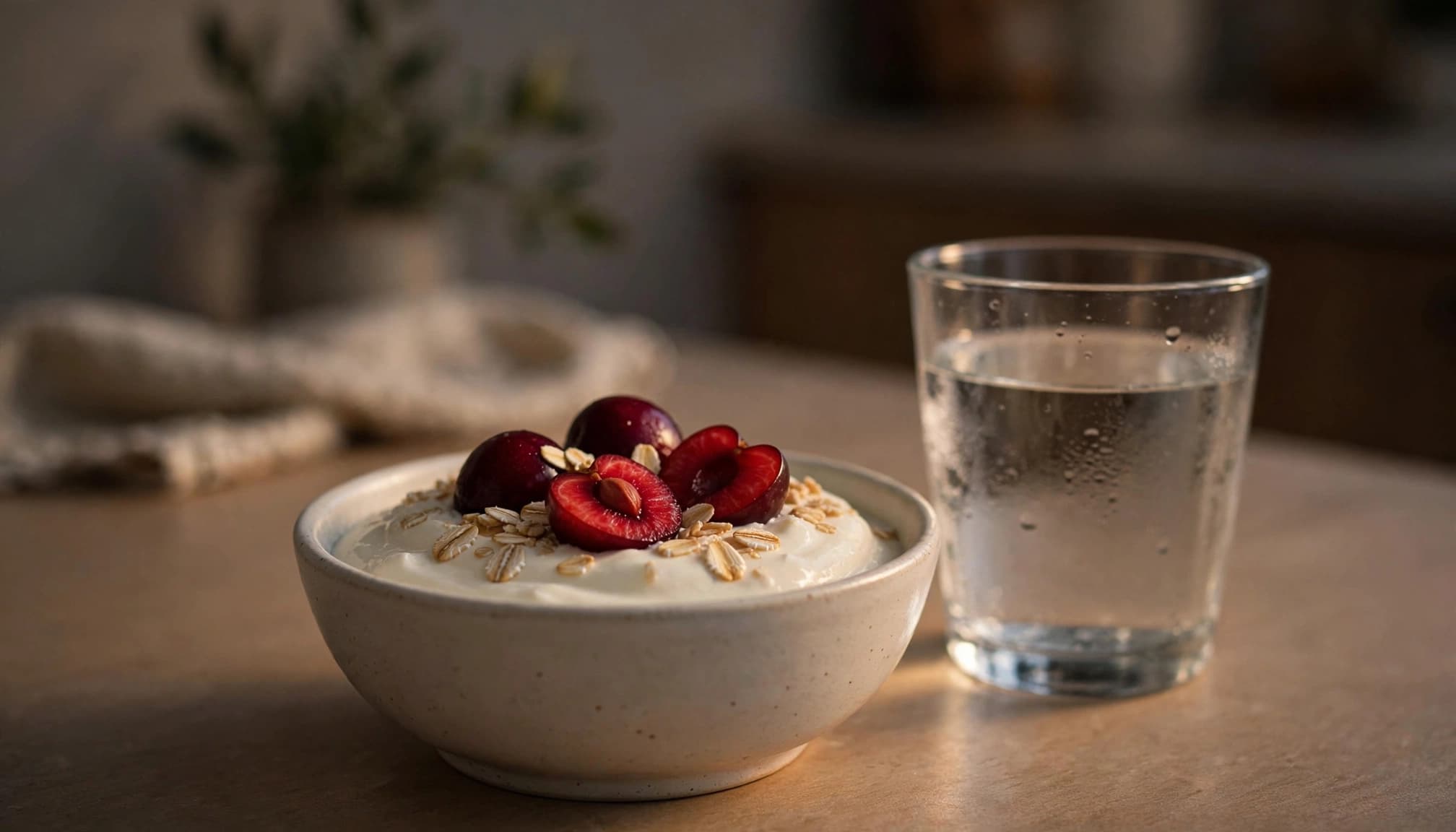
Choose portions that ease hunger without leaving you stuffed. Adapt ingredients for allergies, intolerances or other dietary needs.
Keep it easy, varied and comfortable
Keep a few simple options available, such as yoghurt, oats or wholegrain crackers with hummus. Preparing ingredients ahead makes choosing easier when you’re tired.
These foods provide nutrients that support normal body functions. However, no snack guarantees better sleep, even if it contains nutrients involved in sleep regulation.
Heavy, fatty or spicy foods can cause discomfort, particularly close to lying down. Large sugary snacks may also leave some people uncomfortable. Let your own digestion guide your choices.
How to manage late-night hunger without disrupting sleep
Check your daytime meals and snack timing
If you crave a snack before bed most nights, review whether your meals are substantial enough. Regular, balanced meals may help more than repeatedly trying to ignore hunger.
Avoid an unnecessarily long gap between dinner and bedtime. When you need a snack, keep it small and allow some time before lying down.
There’s no universal snack deadline. Your schedule, digestion and any reflux symptoms affect what feels comfortable. A substantial meal and a small snack don’t need identical timing.
Notice whether you are hungry, thirsty or simply tired
Pause briefly before reaching for food. Notice whether your stomach feels empty, whether you’re thirsty, or whether the urge arrived with your usual television programme.
Thirst can indicate dehydration, as NHS Inform’s guidance on thirst explains. Have a small drink if needed, but avoid drinking large amounts immediately before bed because bathroom trips can disturb sleep.
For a week, note meal times, evening hunger and sleep. Look for patterns rather than counting every mouthful. If you’re tired without feeling hungry, begin winding down instead.
When repeated night-time hunger is worth discussing
Speak to your qualified medical practitioner if hunger is new, persistent or accompanied by excessive thirst, frequent urination or unexplained weight loss. Ongoing sleep difficulties also deserve attention, particularly when they affect daily life.
Repeatedly waking to eat, or feeling unable to return to sleep without food, is worth discussing too. Cleveland Clinic’s night eating syndrome guidance describes this pattern, but wanting an occasional bedtime snack doesn’t establish a diagnosis.
If you have diabetes or another health condition, follow your healthcare team’s personalised advice about meals and night-time symptoms. Don’t replace that advice with general snack suggestions.
Make bedtime eating work for you
Bedtime cravings can reflect hunger, tiredness or a familiar routine. Understanding the pattern gives you a more useful starting point than banning food after a fixed hour.
Focus on satisfying daytime meals, then choose a small, nourishing snack when you’re genuinely hungry. If the pattern persists or feels concerning, speak to your GP. You don’t need to treat every bedtime craving as a problem, but you don’t have to ignore it either.