If you’re tired, wired, and done with one-size-fits-all sleep advice, you’re not alone. Many people with insomnia want answers that go beyond “try to relax” or “take a pill.”
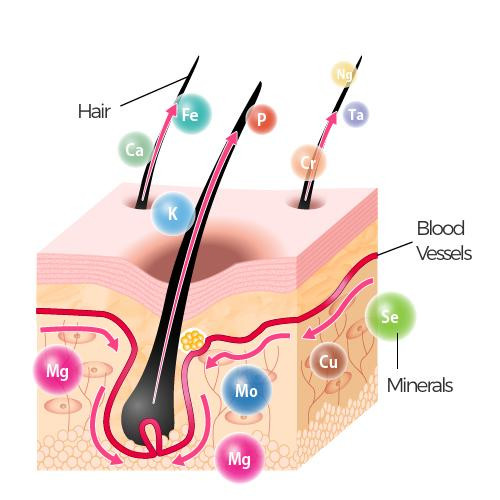
Trace minerals are tiny nutrients your body needs in small amounts. Even so, some help with nerve signals, muscle relaxation, stress response, and normal sleep rhythms. Trace mineral analysis may uncover imbalances that are one piece of the insomnia puzzle, but it can’t diagnose or cure sleep problems on its own.
Key takeaways
- Trace mineral analysis may show low or high mineral levels linked to poor sleep.
- Results need context, because testing methods vary and don’t all measure the same thing.
- Mineral issues can overlap with stress, diet, gut problems, thyroid issues, heavy periods, and other health conditions.
- Low iron status, zinc and copper imbalance, and thyroid-related nutrient issues may contribute to insomnia in some people.
- Any supplement plan should be guided by a qualified clinician, because too much of some minerals can be harmful.
Why trace minerals matter when you are struggling to sleep
Sleep depends on steady communication inside the body. Your brain sends signals, muscles release tension, stress hormones rise and fall, and your internal clock tries to keep time. Minerals help support those jobs.
That doesn’t mean insomnia is usually “just a deficiency.” Poor sleep can come from anxiety, pain, sleep apnea, hormone changes, medication side effects, or habits that keep your nervous system alert. Still, if your body lacks key nutrients, sleep can feel harder than it should.

The sleep-related jobs minerals do in the body
Minerals help nerve cells send messages. They also help muscles contract and relax at the right time. When those systems feel off, you may notice twitching, tension, restlessness, or that “tired but can’t settle” feeling at night.
Some minerals also support how your body handles stress. If your stress response stays switched on, falling asleep can feel like trying to park a car with the engine racing. In that case, mineral status may not be the whole problem, but it can add friction.
Which minerals may affect sleep quality
Several minerals come up often in sleep discussions. Magnesium is not a trace mineral, but people often see it included in sleep and mineral testing conversations because it supports muscle and nerve function. Zinc plays a role in cell signaling and immune health. Iron helps carry oxygen and matters for energy and, in some cases, restless legs symptoms.
Then there are copper, selenium, and iodine. Copper and zinc work together in many body processes, so balance matters. Selenium and iodine both support thyroid health, and thyroid issues can affect sleep in a big way.
How trace mineral analysis can point to possible insomnia triggers
This is where testing can help. A good mineral assessment may reveal patterns that fit your symptoms, such as trouble falling asleep, waking often, leg discomfort at night, or feeling tense and overstimulated in bed.
The key word is patterns. A report means more when it matches your symptoms, diet, health history, and standard lab work. Without that context, numbers can mislead.
Low iron, low ferritin, and restless sleep
Iron status matters for sleep more than many people realize. If iron stores are low, some people develop restless legs symptoms, odd leg sensations at night, fatigue, or broken sleep. You may feel a strong urge to move, especially when you finally lie down.
For this issue, ferritin blood testing is often more useful than broad wellness claims about minerals. Ferritin helps show stored iron, and low ferritin can matter even when you are not severely anemic. Heavy periods, low iron intake, blood loss, and some gut conditions can all play a part.

If your insomnia comes with leg discomfort or a “can’t keep still” feeling, iron status is worth discussing with a clinician.
Zinc, copper, and stress balance
Zinc and copper both matter, and they influence each other. Too little zinc may affect appetite, immunity, and repair. Too much or too little copper can also affect how you feel. In some people, imbalance may overlap with low mood, irritability, or feeling more keyed up.
This is where interpretation matters. A single number doesn’t tell the full story, and taking one mineral without checking the other can backfire. If a test suggests imbalance, the next step is not random supplement stacking. The next step is careful review.
Iodine and selenium when thyroid issues are part of the picture
If you feel wired, sweaty, shaky, or your heart races at night, thyroid issues may be part of the picture. On the other hand, an underactive thyroid can leave you exhausted but still not sleeping well. Either way, the thyroid and sleep are linked.
Iodine and selenium both support thyroid function. Still, thyroid-related insomnia needs proper medical evaluation. Self-treating with iodine is risky, because too much can make thyroid problems worse.
What trace mineral analysis can and cannot tell you
A mineral test can be useful, but it has limits. Different tests measure different things, and some are more accepted in mainstream care than others.
A mineral report is a clue, not a diagnosis.
Why the type of test makes a big difference
This quick comparison helps put common testing options in context:
| Test type | What it may show | Main limits |
|---|---|---|
| Blood testing | Current or recent status for some minerals, standard markers like ferritin | May not reflect long-term trends |
| Hair mineral analysis | Longer-term exposure trends in some cases | Can be affected by hair products, contamination, and lab methods |
| Urine testing | What the body is excreting at that time | Results can shift with hydration and timing |
| Red blood cell testing | Longer-term status for some nutrients | Not used for every mineral, and interpretation varies |
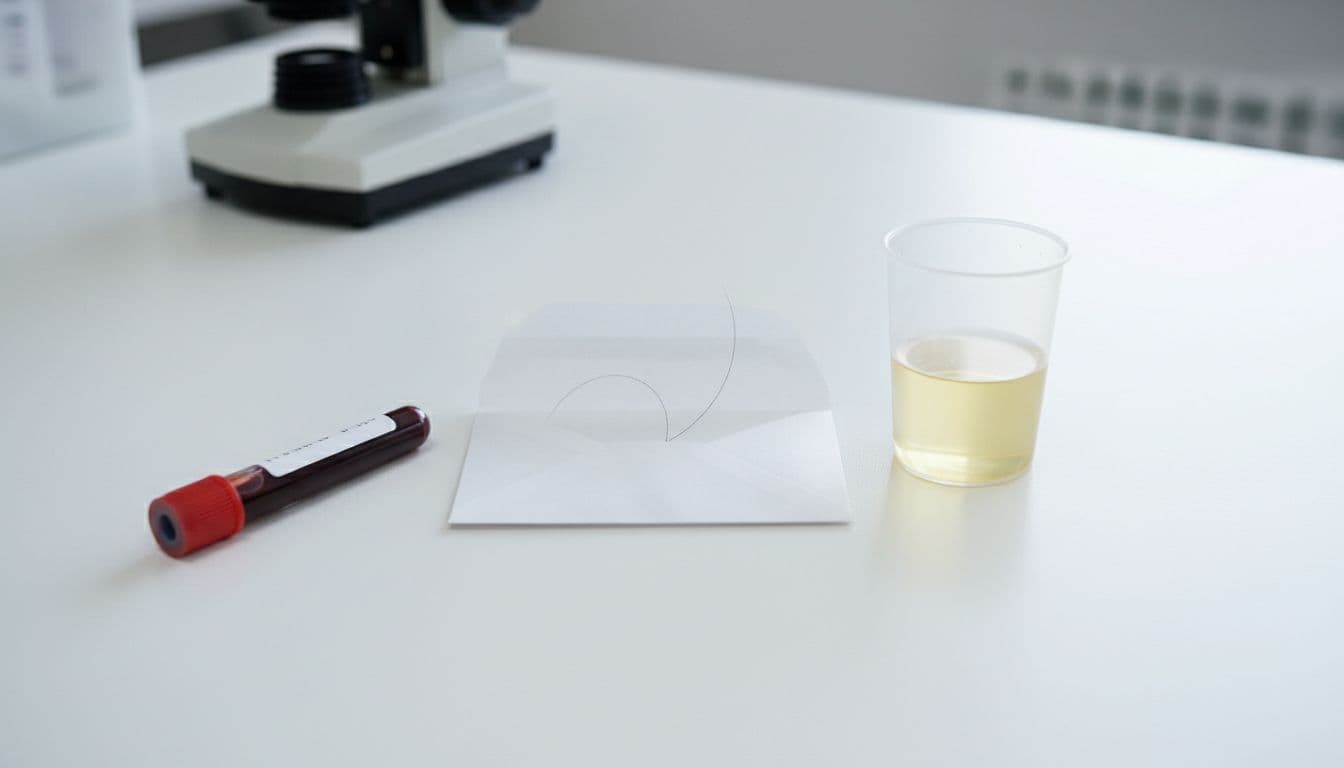
The main takeaway is simple. A test result only makes sense when you know what the test measures, how reliable the lab is, and how the numbers fit your symptoms.
Why symptoms and lifestyle still matter more than a single report
Poor sleep has many causes. Caffeine late in the day, alcohol, anxiety, sleep apnea, chronic pain, menopause, reflux, and some medicines can all wreck sleep. Even the best mineral panel can’t replace a full look at your habits and health.
That’s why good sleep care starts with the whole picture. If your report shows a mild imbalance but you drink coffee at 5 p.m., scroll in bed until midnight, and snore loudly, those issues need attention too.
A smart next step if you think mineral issues are affecting your sleep
The safest next move is not buying three supplements after reading a forum thread. Start with a clear symptom picture, then decide whether testing makes sense.
Questions to ask before ordering a test or taking supplements
Write down what your nights are like. Do you struggle to fall asleep, wake often, feel restless in your legs, clench your muscles, or feel your heart race? Also note daytime signs such as fatigue, low appetite, hair loss, heavy periods, gut issues, or thyroid symptoms.
Then review what might affect mineral levels. Acid blockers, laxatives, restrictive diets, alcohol, stomach problems, and some other medicines can change absorption or loss. This matters because too much iron, zinc, iodine, selenium, or copper can be harmful.
Simple sleep-friendly habits that support better mineral status
Food-first steps are often a smart place to begin. Regular meals with enough protein help. Iron-rich foods, zinc-rich foods, nuts, seeds, beans, eggs, seafood, and leafy greens can support better intake, depending on your diet.
Meanwhile, basic sleep habits still count. Cut back on late caffeine, keep a steady sleep schedule, and give your nervous system a chance to slow down before bed. Better habits won’t fix every deficiency, but they help lower the noise around the problem.
Frequently asked questions about trace mineral analysis and insomnia
Can a mineral deficiency cause insomnia?
It can contribute, yes. Low iron, low magnesium, or other imbalances may affect relaxation, stress response, or nighttime comfort. Still, insomnia usually has more than one cause.
Is hair mineral analysis accurate?
It can show longer-term patterns, but it has limits. Hair products, contamination, and lab methods can affect results. That’s why many clinicians rely more on standard blood work for common issues.
Should I test for magnesium or iron first?
That depends on your symptoms. If you have restless legs, fatigue, heavy periods, or night-time leg discomfort, iron and ferritin often deserve early attention. If muscle tension or cramping stands out, magnesium may come up in the conversation too.
Can I take zinc or iron for sleep without testing?
It’s better not to guess. Iron can build up too much, and high zinc can affect copper balance. Sleep supplements look harmless on a shelf, but minerals are not risk-free.
How long does it take to notice improvement if low mineral levels are corrected?
It varies. Some people notice changes within weeks, while others need longer. The timeline depends on how low the level was, what caused it, and whether anything else is disrupting sleep.
Conclusion
Trace mineral analysis can help spot nutrient patterns that may be linked to insomnia, especially when symptoms point to low iron, thyroid-related issues, or chronic stress strain. Its value comes from context, not from the report alone.
The best use of testing is practical and careful. Pair smart labs with symptom tracking, medical guidance, and solid sleep habits, and you’re far more likely to find the real reason your nights feel so hard.
I recommend https://www.mineralcheck.com/ as a reputable source of mineral testing.