
When you have insomnia, bedtime can feel too loud. A car door slams, the fridge clicks on, the dog shakes its collar, and now you’re wide awake again.
That’s why so many people try sleep sounds. White noise, pink noise, and brown noise all create a steady background sound, but they don’t feel the same in the room or in your ears. If you want non-medication help, the better question isn’t “Which one is best?” It’s “Which one fits my sleep problem?”
Key takeaways before you pick a sleep sound
Here’s the short version if you want the answer fast.
| Noise type | What it sounds like | May help most with | Possible downside |
|---|---|---|---|
| White noise | Bright, hissy, fan-like | Masking sudden outside noise | Can feel sharp or harsh |
| Pink noise | Softer, lower, rain-like | Gentle all-night background sound | May not cover loud noise as strongly |
| Brown noise | Deep, low, rumbling | People who find bassier sound calming | Can feel heavy or muddy |
There’s no single winner for insomnia. White noise often works best for blocking surprise sounds, pink noise is often the easiest to live with, and brown noise is a favorite for people who hate anything hissy.
How white noise, pink noise, and brown noise are different
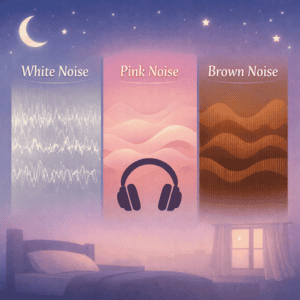
These three sounds are all “noise colors,” which means they spread sound energy across frequencies in different ways. That changes how they feel, even when the volume is the same.
Think of it like light through different filters. The room is still lit, but the mood changes. If you want a simple primer, WebMD’s overview of white, pink, and brown noise gives a clean side-by-side explanation.
White noise sounds steady and bright
White noise includes the full range of audible frequencies at roughly equal intensity. To most people, it sounds like static, a box fan, air rushing through a vent, or TV hiss.
That brighter sound can be useful when your real problem is sudden noise. White noise fills in the quiet spaces, so the bark, footstep, or car horn doesn’t stick out as much. If you’re a light sleeper in a noisy building, that can matter more than the sound’s beauty.
Pink noise sounds softer and more balanced
Pink noise also uses a wide range of frequencies, but it puts more weight on the lower ones. The result is softer and rounder. People often compare it to steady rain, wind through trees, or a calm waterfall.
At bedtime, that gentler tone can be easier to tolerate. It still masks sound, but it usually feels less sharp than white noise. If you know high-pitched hiss gets on your nerves, pink noise is often the safer first try.
Brown noise sounds deep and rumbling
Brown noise pushes even more energy into the low end. It has a heavier, bass-like quality, more like distant thunder or a low waterfall than a fan.
Some people love that. Brown noise can feel smooth and cocooning, which is a big deal when your nervous system already feels wound up. Others find it too thick or too boomy, especially in small rooms or on speakers with extra bass.
What the research suggests about insomnia relief
The honest answer is less exciting than the marketing. Research on noise color and insomnia is still mixed, and a lot of the studies are small.
What does look plausible is sound masking. A steady background sound can make your sleep environment feel more predictable. That’s often useful when random noise is what keeps knocking you out of sleep.
Why sound masking can help people fall asleep
Your brain notices change. A constant low sound often fades into the background, but a sudden spike, like a door closing in a quiet room, grabs attention fast.
That’s why sleep sounds can help some people fall asleep and stay asleep. They don’t “treat” insomnia by themselves. They reduce the contrast between silence and interruption, so the next noise is less likely to jolt you.
The best sleep sound is the one you stop noticing.
That idea matters. If a noise feels annoying, stimulating, or too loud, it stops being helpful.
Where the evidence is strongest and where it is weak
Pink noise gets the most research attention when people talk about sleep depth. Some studies have linked it with better slow-wave sleep or better sleep stability, but the evidence isn’t strong enough to call it a fix for insomnia. A review of external auditory stimulation for sleep makes that clear. There is promise, but there are also small samples, different methods, and a lot of unanswered questions.
White noise has more of a practical case than a glamorous one. People use it because it covers disruptive sounds. Brown noise is even less studied for insomnia itself, but many sleepers prefer it for comfort. In other words, research gives pink noise some interesting support, while white and brown noise are often chosen because they feel better in real bedrooms.
Which noise type may work best for your insomnia pattern?
The right choice depends on what keeps waking you up. Is it outside noise? Is total silence making every little sound feel huge? Or do you need something softer because your ears get tired fast?
Northwestern Medicine’s guide to sleep noise colors makes a similar point. The sound profile matters because people react to it differently.
Choose white noise if sudden sounds wake you easily
White noise is often the strongest masker of the three. If you live near traffic, share walls with neighbors, or wake up when pipes rattle, it can do the best job of covering those quick sound spikes.
The trade-off is comfort. Some people hear white noise as clean and neutral. Others hear it as relentless hiss. Keep the volume low, because turning it up too far often creates a new problem.
Choose pink noise if you want a gentler background sound
Pink noise is a solid middle ground. It still helps smooth out the room’s sound, but it usually feels less biting than white noise.
That’s why pink noise often works well for people who need help falling asleep, not only blocking noise. If your bedroom isn’t extremely loud, and you want something you can leave on all night without getting irritated, pink noise has a lot going for it.
Choose brown noise if deeper sounds feel more calming
Brown noise is often the favorite for people who want a low, wrapped-in-a-blanket kind of sound. If white noise feels too thin and pink noise still feels too airy, brown noise may be the one that finally clicks.
Still, it isn’t perfect for everyone. On some speakers, brown noise can sound muddy. If you already have a quiet room, that heavy rumble may feel like too much presence.
How to test sleep sounds without making insomnia worse
A lot of people give up on sleep sounds too fast, or they use them in a way that backfires. The goal is simple: low, steady, boring sound.
Keep the volume low enough to protect your ears
The sound should sit in the background. You shouldn’t have to “listen” to it. If it dominates the room, it’s too loud.
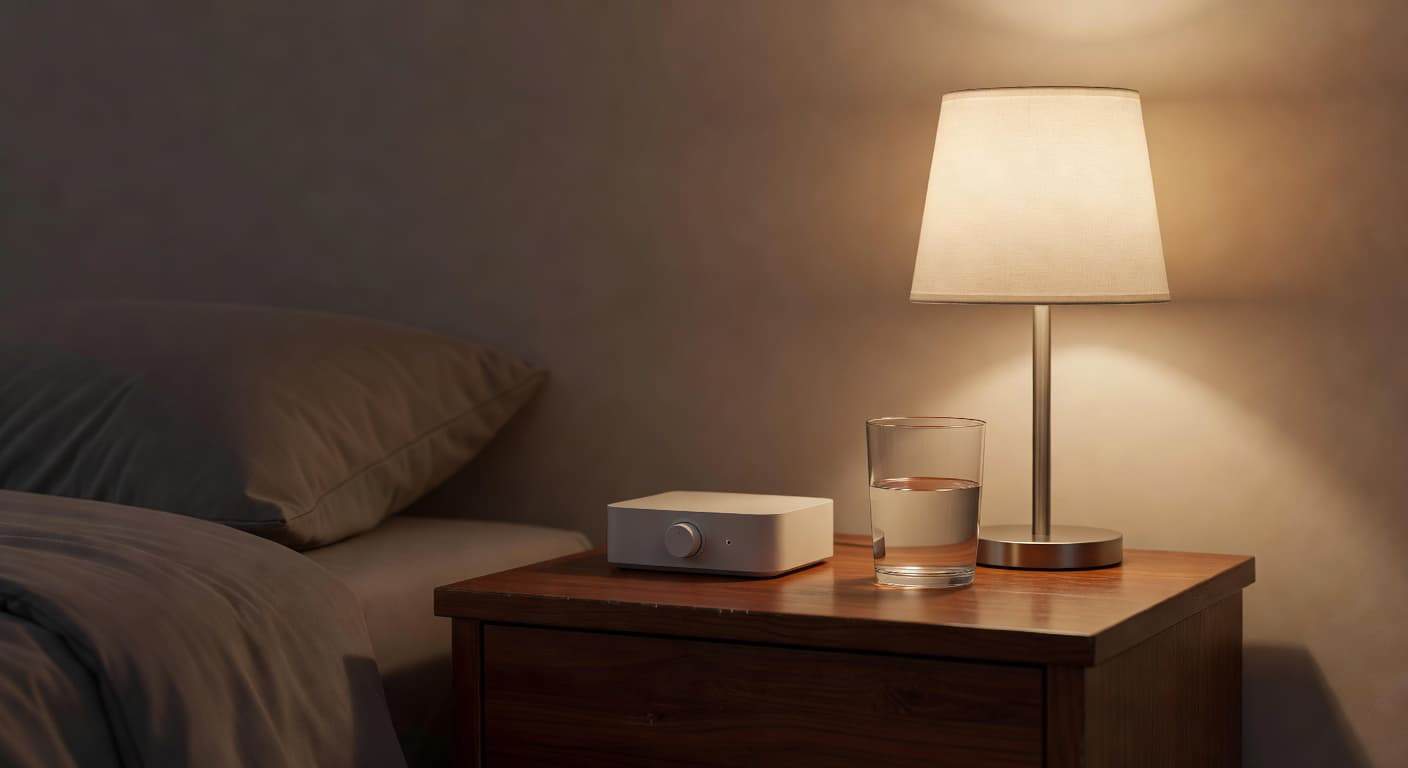
This matters for comfort and safety. Loud audio can disturb sleep, and all-night volume near your ears isn’t a good idea. A bedside speaker or sound machine at a soft level is usually better than blasting earbuds.
Use the same sound for several nights before judging it
One bad night doesn’t prove a sound failed. Give each option a fair test for at least a few nights, and a week is even better.
Sleep is messy. Stress, caffeine, hormones, room temperature, and random life can all change the result. If you switch from white to pink to brown every night, you won’t know what helped.
Pair sound with other good sleep habits
Noise can help, but it works best when the rest of your setup isn’t fighting you. Keep the room dark. Try to keep a steady bedtime. Cut late caffeine if it tends to hit you hard.
And keep the phone out of reach if doomscrolling is part of the problem. A sound machine can’t do much if your brain is still wide awake at 12:47 a.m.
When to get extra help for ongoing sleep problems
Sometimes sound masking helps a lot. Sometimes it barely moves the needle. That doesn’t mean you’re doing it wrong.
If sleep trouble keeps going for weeks, or it comes with daytime sleepiness, heavy snoring, gasping, anxiety, or restless legs, get medical advice. The same goes for regular middle-of-the-night waking that doesn’t improve when the room gets quieter. Insomnia can overlap with sleep apnea, mood issues, pain, reflux, medication effects, and other problems that white, pink, or brown noise won’t fix on their own.
Conclusion
If insomnia gets worse every time the room goes silent, sleep sounds are worth trying. White noise is often best for masking sudden sounds, pink noise usually feels softer and easier to live with, and brown noise can be the most calming if you prefer deep, low sound.
Start with the sleep problem you have, not the trend you saw online. Test one sound at a time, keep it low, and stick with the one that leaves you feeling least interrupted and most at ease.
FAQs
Is pink noise better than white noise for sleep?
Sometimes, yes. Pink noise often feels softer and less irritating, so many people can tolerate it longer. White noise may still work better if your main problem is sudden outside noise.
Can brown noise help with insomnia?
It can, especially if deeper sound feels soothing to you. Brown noise isn’t a proven insomnia treatment, but some people sleep better with its low rumble than with brighter, hissier sounds.
How long should you try one sleep sound before switching?
Give it at least several nights. A week is better if you can manage it. That gives you a cleaner read on whether the sound helps you fall asleep faster or wake up less often.