
An exhausted body doesn’t always produce a sleepy brain. If you lie awake with racing thoughts or wake repeatedly, exercise for insomnia can be a practical, non-medication strategy when it fits your energy and schedule.
The goal isn’t to push yourself through exhausting workouts. Sustainable movement can ease tension, support natural sleep pressure, and give your body clearer daily cues for rest.
Key Takeaways
- Choose repeatable activities such as walking, cycling, swimming, yoga, tai chi, or basic strength work.
- Start at a manageable intensity, then build gradually instead of pushing through an exhausting session.
- Morning or afternoon activity may work well, but test evening exercise to see what suits you.
- Keep the hour before bed for gentle movement if harder workouts make you feel alert or overheated.
- Track your sleep for several weeks before deciding whether a new routine is helping.
Why Exercise Can Improve Sleep
Exercise affects several systems that influence sleep. It can ease the physical restlessness that builds after a sedentary, stressful day, while also giving your brain a dependable rhythm.
Your body cools after activity
During activity, your muscles generate heat and your core body temperature rises. After you finish, your temperature gradually falls. That cooling pattern resembles part of the body’s normal transition toward sleep.
The effect isn’t a switch that makes you sleepy on command. Still, a workout earlier in the day can support a later wind-down, especially when you pair it with a steady bedtime and a cool, dark bedroom.
Movement can lower pre-sleep tension
Insomnia often includes a nervous system that stays on guard after the day ends. A walk, swim, or gentle class may ease stress and anxiety. Slow breathing with gentle movement may support the parasympathetic nervous system during this transition. Over time, regular exercise may also support mental health, which matters when worry and poor sleep feed each other.
Morning outdoor movement adds another useful cue: daylight. Exposure to light after waking helps anchor your circadian rhythm, the internal timing system that influences your sleep-wake cycle, alertness, melatonin release, and sleepiness.
A workout works best as one part of a repeatable day, alongside a consistent wake time and a quieter bedtime routine.
Choose Sleep-Friendly Exercise You Won’t Dread
The most effective activity is usually the one you can keep doing. You don’t need specialized equipment or an athletic background to build a routine that supports sleep quality.
Walking and moderate aerobic exercise
Brisk walking is a strong place to start because it is simple, low-cost, and easy to adjust for fatigue. It counts as moderate aerobic exercise when you breathe faster but can still manage a conversation. Cycling, swimming, dancing, and easy jogging can offer similar benefits.
Try a route with daylight and minimal traffic stress. A 15-minute walk after breakfast can feel more realistic than promising yourself an hour at the gym after a draining workday.
Strength training without the late-night buzz
Two short sessions each week can complement walking. Use bodyweight squats to a chair, wall push-ups, resistance bands, or light dumbbells. Keep each session controlled and stop with a few repetitions still possible.
Hard lifting close to bedtime may leave some people wired. If you enjoy resistance training, schedule it in the morning, at lunch, or after work with enough time to settle afterward.
Yoga and tai chi for a busy mind
Yoga and tai chi are gentle relaxation techniques that combine movement with steady breathing and attention to posture. They may help when stress and anxiety contribute to muscle tension or a mind that keeps replaying the day.
Keep the evening version slow. Choose supported poses, easy mobility, or a short tai chi practice rather than a heated, demanding class. The aim is to shift toward relaxation, not test your limits.
Best Exercise Timing for Better Sleep
There is no single perfect hour for everyone. The best time is one you can keep consistently without making bedtime harder. Your response over several weeks matters more than a rule from a fitness app.
Morning movement can reinforce your sleep schedule
A walk, bike ride, or gym session in the morning pairs physical activity with daylight. That combination can help you feel more awake earlier and make a regular wake time easier to protect.

If mornings are unrealistic, use your lunch break or early afternoon. A consistent 20-minute session can support your sleep schedule and make a regular wake time easier to protect.
Evening activity needs a personal test
The old advice to avoid every evening workout is too blunt. A review of behavioral insomnia strategies found that moderate or vigorous exercise within two hours of bedtime did not disturb sleep for most study participants. However, people with insomnia can be more sensitive to bright gym lights, competition, or intense intervals.
Use Sleep Foundation’s exercise timing guidance as a cautious starting point. Finish strenuous training three to four hours before bed for the first two weeks. Then compare your sleep onset latency with nighttime awakenings.
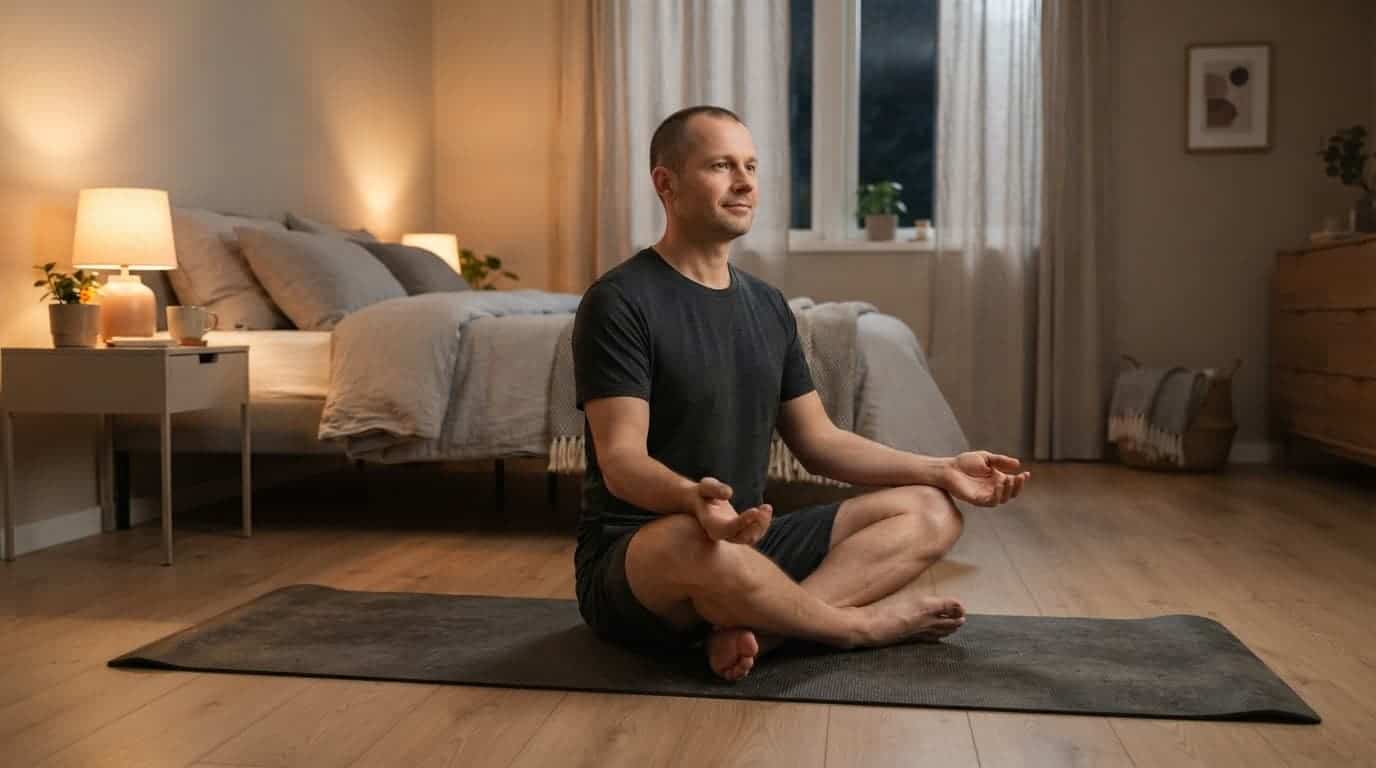
A calm 10-minute stretch, gentle yoga, or slow walk after dinner is different from a late spin class. Research on exercise near bedtime and insomnia supports an individualized approach rather than a blanket ban.
Find an Intensity That Helps Instead of Drains You
A 2024 meta-analysis found stronger average improvements in sleep quality with higher-intensity exercise programs. Higher intensity may help some people, but severe insomnia doesn’t require punishing workouts. Don’t expect guaranteed changes in deep sleep, and remember that hard sessions can be difficult to recover from when you’re already depleted.
Use the talk test before chasing intensity
Moderate effort is the sensible default. During the session, you can talk in full sentences, but singing would be difficult. On a 0 to 10 effort scale, that is roughly a 4 to 6.
Start lighter if you have slept badly, feel dizzy, or struggle to get through the day. An easy walk still protects the routine. Save intervals, long runs, and demanding resistance training for days when your energy is steadier.
Watch for your personal signs of overdoing it: sore legs that keep you restless, a higher heart rate at bedtime, irritability, or trouble falling asleep after late training. Reduce duration first, then intensity, before abandoning exercise altogether.
A Weekly Plan When Fatigue Is High
Begin below the level that feels impressive. For people with chronic insomnia, this schedule offers a cautious starting point and a repeatable workout routine. It won’t turn exercise into another sleep-related worry.
For the first two weeks, use this simple schedule.
| Day | Activity | Suggested timing |
|---|---|---|
| Monday, Wednesday, Friday | Walk for 15 to 20 minutes at an easy-to-moderate pace | Morning or lunch break |
| Tuesday, Thursday | Ten minutes of gentle yoga or tai chi, plus five minutes of light strength work | Morning, afternoon, or early evening |
| Saturday | A 20 to 30-minute relaxed outdoor walk or easy cycle | Daylight hours |
| Sunday | Rest, or take a brief easy walk if it feels good | Any comfortable time |
After two weeks of regular exercise, add five minutes to the walks. Walking and easy cycling offer a gradual form of aerobic exercise. Build toward 25 to 30 minutes on most days, but keep one easier day each week. Avoid increasing time and intensity in the same week.
A study summarized in this review of physical activity and sleep found improved sleep quality after people with insomnia exercised for 30 minutes three times weekly for eight weeks. That timeline is useful because better sleep rarely appears after one workout.
Keep a short record of exercise timing, perceived effort, sleep onset latency, the time it takes to fall asleep, sleep duration, and nighttime awakenings. Patterns will tell you more than one disappointing night.
When Exercise Alone Isn’t Enough
Exercise can support people with chronic insomnia, but it can’t address every cause. If sleep problems occur at least three nights each week for three months, or affect work, mood, driving, or relationships, speak with a healthcare professional.
Cognitive behavioral therapy for insomnia, often called CBT-I, helps many people change the thoughts and habits that keep insomnia going. It can complement a movement plan rather than replace it.
Get assessed sooner if you snore loudly, gasp during sleep, feel an irresistible urge to move your legs at night, have persistent pain, or have symptoms of sleep disorders. Seek urgent care for chest pain during activity. The CDC’s sleep health overview also highlights how daily habits, including exercise, fit into the wider picture of sleep.
Make Movement Part of a Calmer Night
The most sustainable approach is regular exercise that becomes part of ordinary life. A moderate walk, a little strength work, or a slow evening practice can help separate daytime effort from nighttime rest. Pairing it with relaxation techniques may reinforce that distinction.
Start at a level that leaves you feeling steadier, not spent. When your mind stays active at night, a calming, repeatable routine may ease stress and anxiety. Over time, it may support restorative sleep.
Frequently Asked Questions
How close to bedtime can I exercise?
Gentle stretching or slow yoga can work well during the hour before bed. For demanding cardio, heavy lifting, or intense classes, finish three to four hours earlier at first. If evening training doesn’t disrupt your sleep, you don’t need to avoid it automatically.
How long does exercise take to improve insomnia?
Some people notice a calmer mood or easier sleep within days. More noticeable changes often require several weeks of consistent activity. Follow a realistic routine for six to eight weeks while tracking your sleep patterns.
Should I exercise after a terrible night of sleep?
Choose easy movement if you feel safe doing so. A short walk outdoors may improve alertness without adding much recovery strain. Skip hard training if you’re dizzy, unsteady, ill, or too tired to exercise safely.
Can yoga replace a walk or aerobic workout?
Yoga can help, especially when tension or worry keeps you awake. However, combining mind-body practice with regular walking or other movement offers more ways to support sleep, mood, and daytime energy.