
Some nights your body feels completely spent, but your brain switches on the moment your head hits the pillow. That tired but wired feeling is incredibly common, and it usually means your natural sleep drive and your stress system are pulling in opposite directions.
The good news is that you can often ease this state without relying on prescription sleep medication. Small changes in light, timing, food, and how you wind down can help lower your late-night cortisol levels, which often stay elevated and prevent you from drifting off. By managing this stress response, you can lower that late-night alertness and help sleep come more naturally.
Key Takeaways
- Feeling tired but wired often occurs when your body feels physically exhausted, but your nervous system remains stuck in a state of high alert.
- Common triggers for this imbalance include excessive evening light, late caffeine consumption, chronic stress, irregular sleep schedules, and blood sugar fluctuations.
- Establishing a fixed wake time, dimming lights in the evening, getting morning sunlight, and creating a calming pre-bed routine are the most effective natural fixes for achieving restorative sleep.
- If this pattern persists for several weeks or is accompanied by symptoms like snoring, acid reflux, hot flashes, or intense anxiety, it is wise to consult a professional to identify the underlying cause and protect your restorative sleep.
What tired but wired actually means
Sleep depends on two forces. First, your sleep drive builds the longer you are awake. Second, your circadian rhythm decides when your body is ready for sleep. When those two line up, sleep feels simple. When stress, bright light, stimulants, or late naps push against them, you can feel exhausted and oddly alert at the same time.
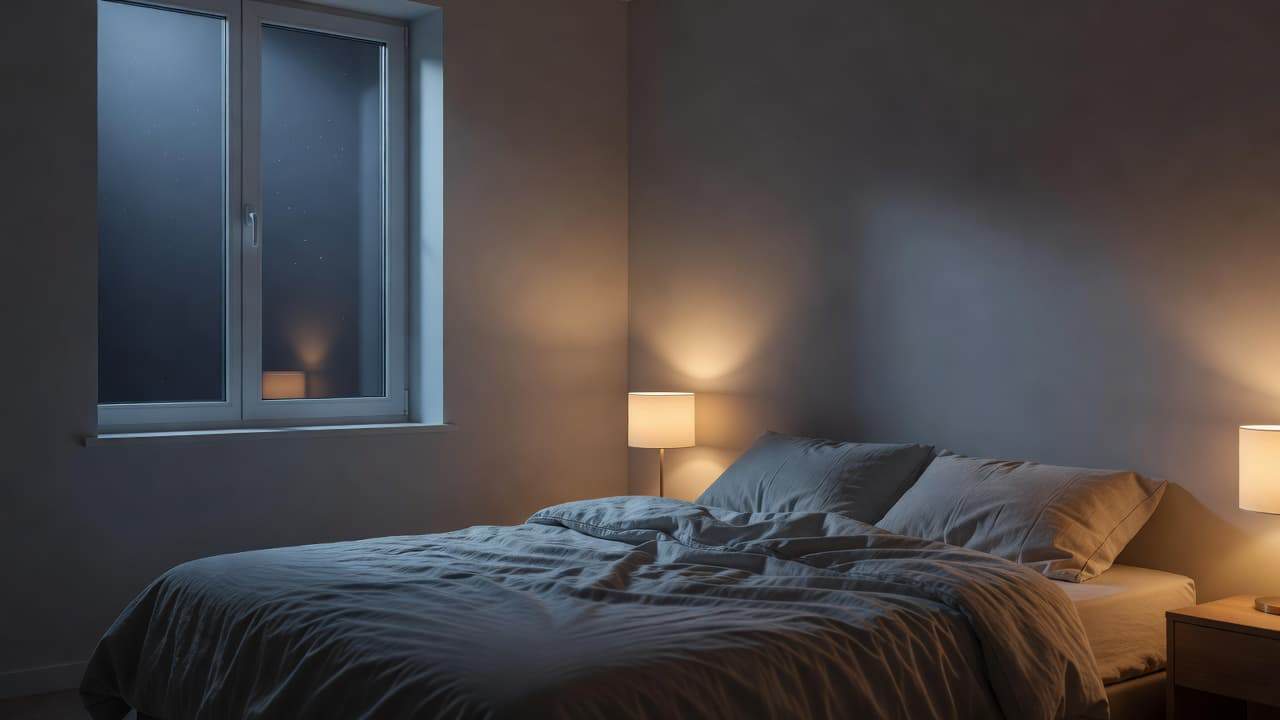
That wired feeling often comes from hyperarousal, a state driven by the sympathetic nervous system and the fight or flight response, which means your brain and body stay on guard when they should be powering down. As adrenaline surges through your system, it keeps your mind alert, scanning tomorrow’s problems, replaying awkward moments, or hopping from one task to the next even while you yawn, rub your eyes, and feel heavy in your limbs.
A late-night second wind fits this pattern too. Many people push through evening fatigue with screens, snacks, work, or caffeine, then find that their tiredness flips into restlessness. After that, trying harder to sleep can backfire because effort creates more tension.
This pattern does not mean you are broken. It usually means your body is getting mixed signals, and those signals can change.
Why you feel tired but wired at night
Most people do not have one single cause. Instead, a few smaller things stack up until bedtime feels like a battle.
This quick guide can help you spot the usual suspects:
| Common trigger | Clue you notice | Natural first step |
|---|---|---|
| Bright evening light or screens | You don’t feel sleepy until late | Dim lights 1 to 2 hours before bed |
| Caffeine, nicotine, or alcohol | You feel sleepy, then alert again | Move stimulants earlier, skip nightcaps |
| Stress and unfinished tasks | Your mind starts planning in bed | Do a 5-minute brain dump before bedtime |
| Irregular sleep or long naps | You’re wide awake at night, groggy in the morning | Keep the same wake time every day |
| Heavy meals or blood sugar dips | You feel hungry, shaky, or uncomfortable late | Eat a steady dinner, add a light snack if needed |
More than one row may fit, and that’s normal.
If you’re exhausted all day but wide awake at bedtime, the problem is often timing and arousal, not a lack of fatigue.
Chronic stress is one of the biggest drivers of this pattern. When your brain perceives the day as unfinished, it activates the HPA axis, which keeps your stress response elevated well into the evening. This state of physiological hyperarousal can be triggered by a hard workout performed too late, a heated argument, doomscrolling, or even trying to be productive right up to lights out.
Meanwhile, light exposure matters more than many people think. Bright indoor lighting and close-up phone use suppress melatonin production and contribute to nighttime alertness, making your body clock act as if bedtime has not yet arrived.
Physical issues can also keep you in that half-awake state. Reflux, chronic pain, restless legs, hot flushes, perimenopause, and some medicines can all make you feel sleepy and tense at the same time. If the pattern showed up suddenly or feels unusually intense, look beyond lifestyle alone.
Natural fixes that calm the late-night second wind
The best fixes work earlier than bedtime. You want to lower stimulation before your body has to fight it.
Reset your light and sleep timing
Morning light is one of the strongest ways to anchor your sleep-wake cycle and keep your body clock on track. Get outside within an hour of waking, even if it is cloudy. Ten to 30 minutes can help, and a short walk is even better because movement adds another wake-up signal.
At night, practice better sleep hygiene by lowering lamps, switching off harsh overhead lights, and moving screens farther from bedtime. If you need your phone, make it dimmer and less interesting. Reading messages in bed rarely ends with sleepiness.
A fixed wake time also matters more than a perfect bedtime. Sleeping in after a bad night feels good in the moment, but it often weakens the sleep drive for the following night. Keep your wake time steady, and let your body learn when it is time to wind down.
If you lie awake for a long stretch, do not stay there getting frustrated. Get up, keep the lights low, and do something boring until drowsiness returns.
Eat and drink with bedtime in mind
Late caffeine is a classic trigger, but timing is personal. Some people can drink coffee after dinner and sleep fine. Others need a noon cutoff. If you are often tired but wired at night, test a full week with all caffeine earlier in the day.
Alcohol can fool you too. It may make you feel relaxed at first, yet it often leads to lighter, more broken sleep later on. That is why a nightcap can leave you sleepy at bedtime and alert at 2 a.m.
Food can help or hurt, depending on timing. A balanced dinner with protein, fibre, and some slow carbs tends to land better than skipping dinner and raiding the kitchen at 10:30. If you get hungry late, a small snack can work well, such as Greek yogurt, oatcakes with nut butter, or a banana with a few nuts.
For gentle food-based ideas, Calm has a practical look at the tired-wired cycle, including magnesium-rich foods and tart cherries.
Calm your body before you try to calm your mind
When your brain is racing, body-first tools usually work better than forcing positive thoughts. A warm shower, slow stretching, gentle yoga, or sitting quietly with a hot drink are effective components of a wind-down routine that tells your nervous system the day is ending.

Try a longer exhale than inhale for a few minutes. For example, breathe in for four counts and out for six. This simple change stimulates the parasympathetic nervous system, which helps take the edge off physical tension. Meanwhile, writing tomorrow’s to-do list before bed often stops your mind from rehearsing it at 1 a.m.
Herbal options can fit here too. Chamomile tea, lemon balm, valerian, and supplements like magnesium glycinate are common choices. Because magnesium and GABA play roles in relaxation, many people find them supportive for sleep. They do not help everyone, and they can interact with medicines, so start one at a time and check with a pharmacist if you are unsure.
If bedtime itself makes you tense, calming routines that don’t force sleep can feel more realistic than trying to switch off on command. Rest is still helpful, even before sleep arrives.
When to stop troubleshooting alone
Natural changes can do a lot, but they cannot fix every cause of insomnia. If you have felt tired but wired for more than a few weeks, or the problem keeps returning, it is worth looking for a medical reason. Some people describe this persistent state of being exhausted but alert as adrenal fatigue, though it is often a sign of an underlying health condition that needs professional evaluation.
Speak to a clinician if you also have loud snoring, gasping, leg jerks, chest symptoms, reflux, frequent hot flushes, major mood changes, or sudden weight loss. Sleep apnea, iron deficiency, thyroid problems, hormonal imbalance, anxiety disorders, depression, perimenopause, and medication side effects can all show up as nighttime alertness.
Short-term sleep trouble is common. Still, chronic insomnia responds best when you match good habits with the right diagnosis. You do not have to guess forever; professional support can help you identify the root cause and find the path to restful sleep.
A steadier reset usually starts before bed
When you feel tired but wired, the solution usually is not to try harder at 11 p.m. Your body requires clearer signals throughout the day, particularly regarding light exposure, meal timing, stress management, and daily stimulation.
Start by choosing one or two changes that you can repeat consistently this week. A steady routine always beats a perfect routine, and these small, intentional shifts often bring restorative sleep back within reach. By focusing on your daily habits, you can effectively calm your nervous system and finally overcome the tired but wired sensation.
FAQ
Why do I get a burst of energy right before bed?
That burst often happens when stress hormones like cortisol stay high into the evening or when you push past your natural sleep window. Bright light, screens, late exercise, and caffeine can all contribute to this surge of wakefulness.
Can magnesium help when I feel tired but wired?
It can help some people, especially if muscle tension or stress is part of the picture. Magnesium glycinate is a common choice, but it won’t fix every cause of insomnia, and it can interact with some medicines.
Should I stay in bed and keep trying to sleep?
Usually no. If you are fully awake and getting frustrated by nighttime alertness, get up for a while and keep the lights low. A quiet, boring activity can help your body reconnect the bed with sleep instead of stress.