
Can You Have Insomnia Without Feeling Stressed? Yes, and Here’s Why
Yes, you can have insomnia even if you don’t feel stressed. A lot of people assume bad sleep must mean worry, panic, or a racing mind. Sometimes it does. Sometimes your sleep is getting knocked sideways by your body clock, your habits, a health issue, a medication, or a bedroom that never lets your brain settle.
If you’re thinking, “My life is calm, so why am I awake at 2 a.m.?” you’re not imagining it. Sleep problems don’t always announce themselves as stress. Start by looking at what the pattern is telling you.
Key takeaways
- Insomnia without obvious stress is common.
- Body clock issues, health problems, medicines, and sleep habits can all cause it.
- One bad night is one thing, a repeating pattern with daytime fallout is another.
- Simple non-drug changes often help, but lasting sleep trouble deserves medical attention.
What insomnia looks like when stress is not the cause
Insomnia means you have the chance to sleep, but sleep doesn’t happen the way it should. You might have trouble falling asleep, wake up a lot, get up too early, or spend enough time in bed and still feel worn out.
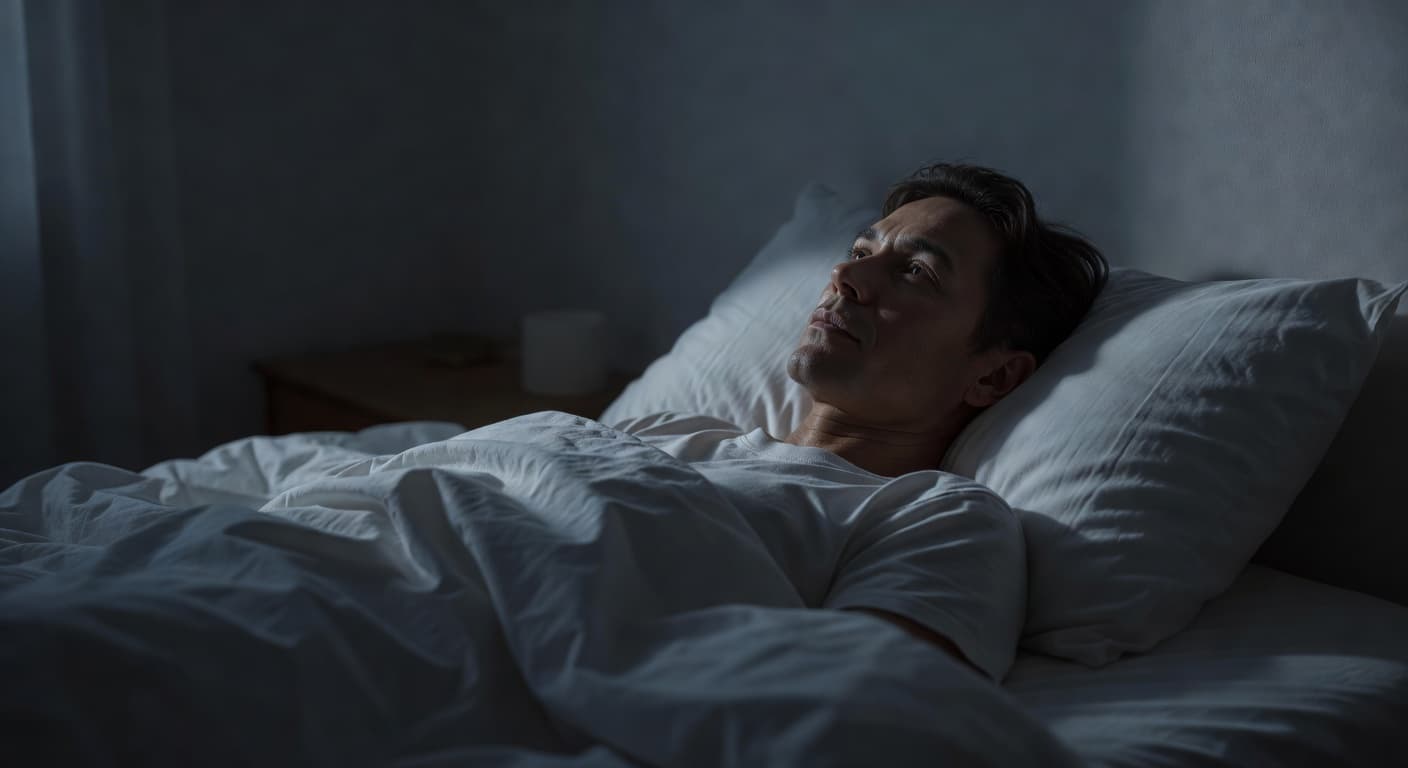
Some people expect insomnia to feel dramatic. It doesn’t always. You can feel calm, go to bed on time, and still have a sleep system that won’t settle.
Feeling calm during the day doesn’t mean your sleep system is calm at night.
Common reasons sleep gets broken even when life feels calm
Sleep problems rarely come from one neat cause. More often, a few smaller things pile up and push sleep off track.
Your body clock may be out of sync
Your circadian rhythm is your internal timer. When it’s off, bedtime can feel like trying to sleep at the wrong time zone, even in your own house.
Late nights, shift work, jet lag, bright light in the evening, irregular sleep times, and sleeping in on weekends can all confuse that clock. You may feel relaxed, but your brain still thinks it’s too early to sleep. Orlando Health has a helpful look at hidden causes of insomnia, including schedule problems that don’t feel like stress at all.
Health issues and medicines can disrupt sleep
Pain is an obvious sleep thief, but quieter problems matter too. Acid reflux can flare once you lie down. Allergies, asthma, thyroid issues, depression, frequent bathroom trips, and anxiety that shows up more in the body than the mind can all break sleep apart.
Medicines and supplements can do it too. Common troublemakers include decongestants, steroids, stimulant ADHD meds, and some antidepressants. Even products meant to help can backfire if the dose or timing is off. The Mayo Clinic’s overview of insomnia causes shows how often sleep trouble has roots outside obvious stress.
Your sleep habits and bedroom setup may be working against you
Then there’s the stuff that looks harmless until it isn’t. Afternoon caffeine, nicotine, alcohol close to bed, long naps, and hard evening workouts can keep your body too alert.
Your room matters too. Screens, noise, light leaks, heat, and an uncomfortable mattress or pillow can turn light sleep into broken sleep. Sometimes insomnia isn’t a mystery. It’s a series of small signals telling your brain to stay awake.
How to tell if it’s occasional bad sleep or true insomnia
A rough night after travel, pizza, or a late movie doesn’t mean you have insomnia. The difference is the pattern. If sleep trouble happens often and spills into your daytime life, that’s when it starts to look more like a real problem.
Doctors often call it chronic when it happens at least three nights a week for three months. This NIH review on chronic insomnia also points out that insomnia can become a body-based pattern, not only a reaction to daily stress.
Signs it’s more than a few rough nights
Watch for signs like these:
- You lie awake for long stretches, even when you’re tired.
- You wake up several nights a week.
- You feel sleepy, foggy, cranky, or unfocused during the day.
- You start dreading bedtime.
- You rely on sleep aids often, but they don’t solve the problem.
When to talk to a doctor or sleep specialist
If this has been going on for weeks, bring it up. Go sooner if you snore loudly, gasp in sleep, feel creepy-crawly leg sensations at night, wake with pain, notice mood changes, or feel major daytime sleepiness.
A doctor can check for hidden causes like sleep apnea, reflux, thyroid problems, iron issues, or medication side effects. If you want to avoid prescription meds, say that early. There are non-drug options, including CBT-I, that many people try first.
What to try first if you want better sleep without prescription meds
You don’t need a giant bedtime overhaul. Start with a few basics and give them time to work.
Start with a few habits that matter most
Pick one wake-up time and stick to it, even after a rough night. Cut caffeine later in the day if you’re sensitive. Dim lights in the last hour before bed, and keep screens short or skip them. Aim for a cool, dark, quiet room.
Small changes work best when you repeat them. One calm night doesn’t prove much. A steady week or two tells you more.
Use a simple plan instead of guessing every night
Keep a basic sleep diary. Write down bedtime, wake time, naps, caffeine, alcohol, exercise, and how you felt the next day. Patterns show up fast when you stop guessing.
Change one thing at a time. That way, you can tell what helped. A short wind-down routine can help too, reading, light stretching, slow breathing, or a warm shower. Keep it simple. Sleep usually improves with clear signals, not a dozen hacks at once.
Conclusion
You can have insomnia without feeling stressed. A shifted body clock, a health issue, a medicine, or everyday sleep habits may be the real reason you’re awake.
Start with steady routines and a simple diary. If the pattern keeps going, get medical help. Calm days and bad nights can live side by side.
FAQs
Can anxiety affect sleep if I don’t feel anxious?
Yes. Sometimes anxiety shows up as body tension, shallow sleep, or early waking, not obvious worry.
Is one sleepless night considered insomnia?
No. One bad night is common. Insomnia is a pattern that repeats and affects how you function during the day.
What’s the first non-prescription step to try?
Start with a fixed wake-up time, less late caffeine, dimmer evenings, and a sleep diary. Those basics often tell you a lot.