
When your body feels tired but your thoughts refuse to slow down, a familiar scent can make bedtime feel less tense. Online searches focused on lavender aromatherapy insomnia are common for good reason: lavender is easy to find, non-prescription, and simple to add to an evening routine to encourage deeper relaxation.
Still, lavender isn’t a sleeping pill, and it won’t erase every cause of sleeplessness. When viewed as part of a broader natural remedy approach and healthy sleep hygiene, this practice can improve overall sleep quality and create a calmer wind-down cue that supports better habits.
Key Takeaways
- Lavender scent may improve sleep quality, especially when worry or tension keeps you alert at night.
- Lavender inhalation is the simplest and lowest-risk way to try this natural approach to insomnia.
- A diffuser, personal inhaler, or diluted pillow-area spray can work, but more scent is not better.
- Never swallow essential oils, and always check for potential side effects before applying diluted oil to skin as part of your broader sleep hygiene strategy.
- Persistent insomnia, loud snoring, gasping, depression, or daytime fatigue need medical attention.
Lavender Aromatherapy Insomnia: What the Evidence Suggests
Lavender’s floral, slightly herbal smell is often associated with rest. Its lavender essential oil contains aromatic compounds such as linalool and linalyl acetate. When you inhale the scent, those molecules of linalool reach the brain through the olfactory system, influencing the nervous system and helping trigger mild sedative effects. This response can gently soothe the autonomic nervous system, support parasympathetic activity, and act as a natural anxiety reliever before bed.
Research is encouraging, though it has limits. A 2025 review of lavender essential oil and sleep in adults found improved sleep quality results across the studies it examined. One clinical trial focused on college students noted better scores on the pittsburgh sleep quality index, while another clinical trial involving midlife women experiencing the menopausal transition reported fewer sleep disturbances. These studies often tracked physiological markers like heart rate variability and blood pressure alongside standard sleep questionnaires to measure sleep quality. However, study methods varied. Participants used different forms of lavender, for different lengths of time, and many studies relied on self-reported sleep questionnaires.
A 2025 systematic review and meta-analysis also found mostly positive effects on sleep quality among older adults with insomnia. Researchers observed improvements in sleep latency, lower overall sleep disturbances, and more stable heart rate variability metrics during the night. That is useful evidence, but it does not prove lavender will work equally well for every adult or every kind of insomnia.

The strongest practical takeaway is modest: lavender may support relaxation before bed by engaging the autonomic nervous system and encouraging helpful sedative effects. It is less certain that it can reliably shorten sleep onset, prevent every nighttime awakening, or treat chronic insomnia on its own.
Lavender works best as a consistent sensory cue paired with a calm routine, not as a stronger substitute for sleep treatment.
If you notice that the smell makes you feel more awake, nauseated, or irritated, it is not the right sleep aid for you. Scent preferences matter, especially when evaluating how individual college students or midlife women respond to botanical interventions.
Choosing the Best Form of Lavender for Sleep
The best form depends on how much fragrance you tolerate and how much effort you want at bedtime. Lavender essential oil is concentrated, while dried flowers offer a lighter scent. A ready-made pillow mist is convenient, but check the label for added fragrance and ingredients that could cause side effects or irritate sensitive skin.
Here is how common options compare.
| Form | How to use it | Best for | Main caution |
|---|---|---|---|
| Ultrasonic diffuser | Add a few drops to water and run briefly | Scenting a bedroom before bed | Avoid continuous overnight use |
| Personal inhaler | Inhale gently before getting into bed | Travel or shared homes | Keep away from children |
| Pillow or linen spray | Mist bedding lightly before sleep | A low-effort routine | Test fabric first |
| Dried lavender sachet | Place near, not under, your pillow | Light, subtle fragrance | Replace when scent fades |
| Diluted topical oil | Apply a properly diluted blend to skin | People who enjoy massage | Patch-test first |
For most people, lavender inhalation is the best starting point. You can control the dose more easily, and you avoid applying lavender essential oil directly to your body. Place a sachet on the bedside table, or use an aromatherapy diffuser for 15 to 30 minutes while you read, stretch, or focus on relaxation before bed.
A pillow spray is another gentle option for promoting relaxation. Spray the outside edge of the pillow or the top sheet, then let it dry before lying down. Don’t saturate the fabric. A strong cloud of essential oils can feel stuffy and may trigger a headache if you are sensitive to potent scents.
Choose products labeled with the botanical name Lavandula angustifolia if you want true lavender. Blends containing various essential oils can include synthetic fragrance or stronger notes that change the experience. Pure does not automatically mean safe, but clear labeling helps you know what you are using when exploring lavender inhalation options.
Build Lavender Into a Bedtime Routine
A scent becomes more useful when your brain links it with the same quiet actions each night, creating a strong foundation for good sleep hygiene. Use lavender after you have finished work messages, turned down the lights, and set aside tomorrow’s to-do list. That timing matters because it keeps lavender associated with rest rather than another task to complete.
Try this simple sequence for one or two weeks to support your sleep hygiene:
- About 30 minutes before bed, dim lights, turn off screens, and focus on relaxation.
- Diffuse two or three drops of lavender, or use a light linen mist to calm your nervous system.
- Do one calming activity, such as reading a paper book, gentle breathing, progressive muscle relaxation, or a warm shower, to lower sleep latency.
- Turn off the diffuser before sleep and keep the room cool, dark, and quiet to protect your overall sleep quality.
- Make a brief note each morning about sleep quality, awakenings, and any side effects.
This small sleep log can show whether lavender aromatherapy insomnia support is helping you, rather than relying on a single good or bad night. Look for patterns over at least seven nights. Did your sleep quality improve? Did you wake feeling less daytime fatigue? Or did the scent become distracting?
When paired with healthy sleep hygiene, lavender can act as a gentle anxiety reliever for midlife women or college students facing high stress. Clinical trials involving college students often highlight how simple evening rituals aid relaxation, improving both sleep quality and total sleep quantity.
Keep expectations realistic. If you lie awake for an hour replaying conversations or worrying about the next day, lavender may soften the edges of that tension. It cannot fix an irregular schedule, late caffeine, untreated pain, sleep apnea, or a bedroom that is too hot, which is why proper sleep hygiene remains essential.
A randomized study of inhaled lavender in postoperative patients found improved sleep quality, although that setting is very different from ordinary insomnia at home. The clinical findings on lavender inhalation and postoperative sleep add support for lavender’s calming role, but they are not a reason to treat it as a cure.
Lavender Essential Oil Safety at Night
Essential oils are potent plant extracts. Treat them with the same care you would give any concentrated product, even though lavender has a gentle reputation.
For room diffusion, start low. Two or three drops of lavender essential oil in a water diffuser are usually enough for a standard bedroom. Open the door or crack a window if the smell builds up. Run the diffuser before bed rather than all night, especially in a small room.
Never ingest lavender essential oil or add it to tea, water, or food unless a qualified clinician gives you product-specific guidance. Swallowing essential oils can cause harm, and household products are not made for casual internal use.
If you want to use lavender on your skin, dilute it in a carrier oil first. A conservative dilution for adults is about one drop of essential oils in a teaspoon of carrier oil, such as jojoba or unscented sweet almond oil. Patch-test the blend on a small area of skin and wait 24 hours. Stop using it if you develop redness, itching, burning, or a rash.
Take extra care in these situations:
- People with asthma, fragrance-triggered migraines, eczema, or allergies may react to airborne or topical scents.
- During pregnancy or breastfeeding, ask a pharmacist, midwife, or clinician before regular essential oils use.
- Keep bottles out of reach of children and pets. Do not diffuse essential oils in a closed room with animals that cannot leave.
- Avoid putting oil near your eyes, inside your nose, on broken skin, or directly on your pillow where it can contact your face for hours.
- If you use sleep medicines, sedatives, or several supplements, speak with a clinician before adding any regular sleep remedy, keeping in mind that lavender essential oil can influence your autonomic nervous system, lower blood pressure, and potentially amplify sedative effects.
Headache, dizziness, coughing, nausea, and skin irritation are all common side effects that mean you should stop immediately. Wash topical oil off with soap and water, then seek medical advice for severe side effects or accidental swallowing.
When Lavender Isn’t Enough for Insomnia
If poor sleep happens three or more nights a week for three months or longer, it is time to look beyond fragrance. Cognitive behavioral therapy for insomnia, often called CBT-I, is a first-line insomnia treatment that helps change the habits and thought patterns that keep insomnia going.
Also speak with a clinician if sleep disturbances come with snoring, choking or gasping, restless legs, major mood changes, or dangerous daytime fatigue. Those symptoms can point to underlying sleep disturbances that aromatherapy cannot address, sometimes showing up as changes in heart rate variability, blood pressure, or parasympathetic activity.
Lavender can still have a place in a larger insomnia treatment plan. It may make the bedroom feel calmer while you work on solid sleep hygiene, a regular wake time, daylight exposure, caffeine timing, and better overall sleep hygiene alongside a reliable wind-down routine.
Final Thoughts
Lavender aromatherapy can make bedtime feel softer and more predictable, especially when dealing with lavender aromatherapy insomnia and a busy mind. Start with a light scent, use it consistently for a week or two, and pay attention to how your sleep quality and sleep quantity respond over time.
The safest approach is simple: inhale lavender before bed, avoid swallowing essential oil, and stop if it causes discomfort. Better sleep often comes from several small changes working together, combining good sleep hygiene with deeper relaxation and consistent nightly habits.
FAQs
Does lavender help you fall asleep faster?
It may help some people relax before bed, which can make sleep feel easier to approach. When researchers evaluate outcomes in a clinical trial using tools like the pittsburgh sleep quality index, results show that lavender inhalation supports better overall sleep quality more consistently than a guaranteed reduction in sleep latency.
Is it safe to diffuse lavender all night?
Brief evening diffusion is usually a better choice. Continuous fragrance can become overwhelming, trigger headaches, and expose pets or sensitive household members for longer than needed.
Can I put lavender essential oil directly on my pillow?
Avoid placing undiluted lavender essential oil directly on bedding. It can irritate facial skin and may stain fabric. Use a properly formulated linen spray or mist the outer pillow area lightly.
How long does lavender aromatherapy take to work?
Some people notice a calming association on the first night, especially when physiological markers like heart rate variability show a shift toward relaxation through the autonomic nervous system. Others need one or two weeks of using the same scent as part of a steady pre-sleep routine before they can judge whether it helps.
A reputable supplier of lavender oil?
It’s best to buy from a trusted source, with experience and who “know what they are doing”!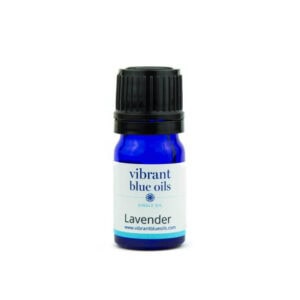
Learn more here (affiliate link with a discount for my customers)