
Insomnia can do more than steal your sleep, it can leave you staring at the ceiling with odd, stubborn questions no one seems to answer. Why does your brain get louder at night, why do small noises feel huge, and why can you feel exhausted yet still wide awake?
If you’ve been looking for clear answers about insomnia without prescription meds, you’re in the right place. These are the kind of strange but real questions people ask after too many sleepless nights, and they deserve plain language, not vague advice.
In the sections ahead, you’ll get simple answers to the most surprising insomnia questions, along with practical, non-prescription ways to make nights easier.
The sleep basics you need before the weird questions make sense
Before the strange insomnia questions start making sense, it helps to know what healthy sleep problems look like. One rough night can happen to anyone. Insomnia is different because it keeps showing up, or it starts affecting how you feel and function during the day.
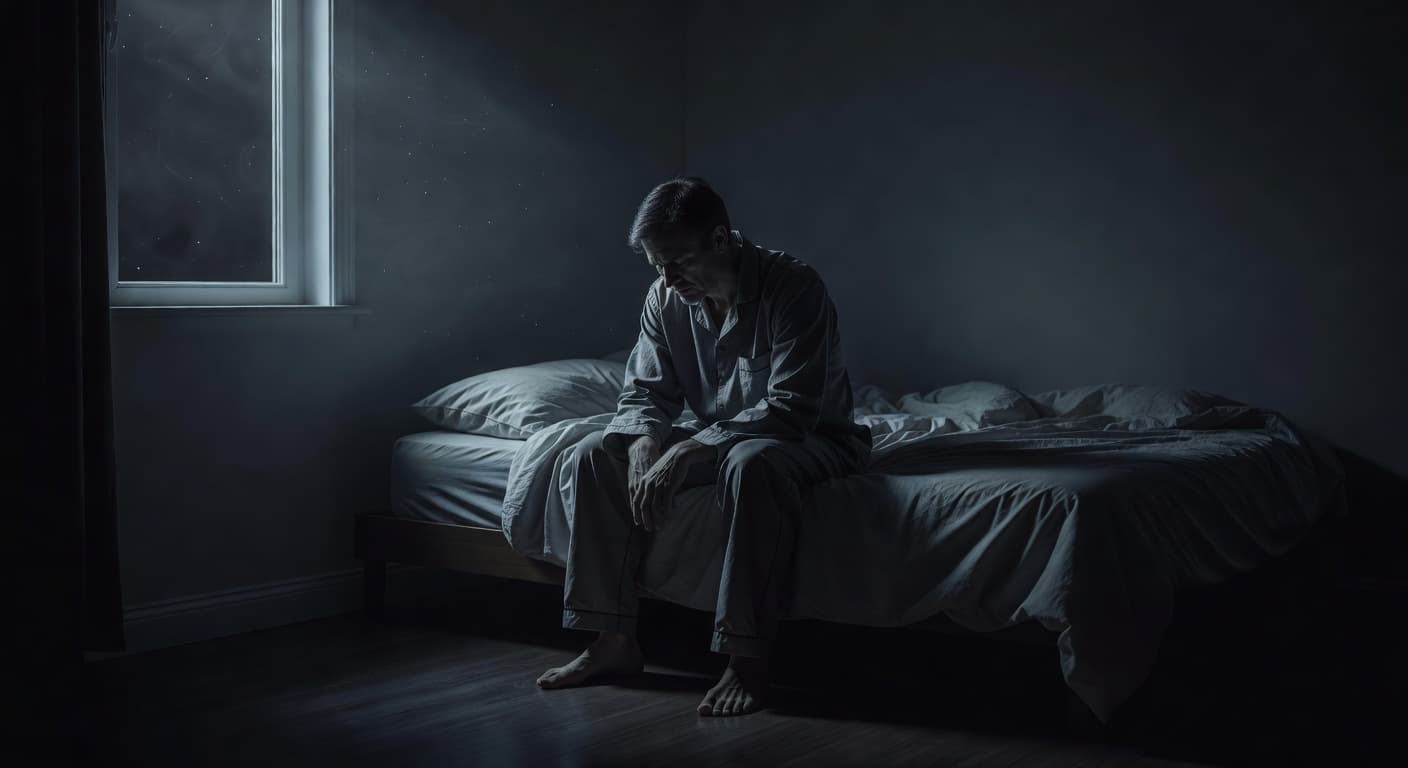
Key takeaways
- A bad night of sleep happens sometimes. Insomnia is a repeated sleep problem.
- Insomnia can mean trouble falling asleep, staying asleep, or waking too early.
- The daytime effect matters. If poor sleep leaves you foggy, irritable, or worn down, that counts.
- Insomnia can look different from person to person, so the symptoms are not always the same.
- Stress, caffeine, pain, hormones, anxiety, and schedule changes can all shift how insomnia shows up.
What insomnia is, and what it is not
Insomnia is a sleep disorder that makes sleep hard to get or hard to keep. It often leads to daytime problems too, like low energy, poor focus, mood changes, or feeling worn out before the day is over. The Cleveland Clinic’s overview of insomnia symptoms and causes explains it as a problem that affects both sleep and daily function.
A bad night, on the other hand, is usually temporary. Maybe you stayed up late, had coffee too late in the day, or had a stressful event. The next night may be fine. Insomnia tends to stick around, repeat, or start getting in the way of normal life.
That difference matters. If you feel tired once in a while, that does not automatically mean insomnia. If sleep trouble keeps coming back and leaves you struggling the next day, that is a sleep problem worth taking seriously.
A simple way to separate the two:
- Occasional poor sleep: a short-term problem with a clear cause or a quick recovery
- Insomnia: repeated sleep trouble that affects how you feel or function
Why insomnia can change from one person to the next
Insomnia does not always look the same. One person lies awake for hours, staring at the clock. Another falls asleep fine but wakes up five times. A third wakes up too early and cannot get back to sleep. All three can be dealing with insomnia.
That variation happens because sleep is sensitive to a lot of things. Stress can keep your brain alert when it should be winding down. Caffeine can make it harder to fall asleep, especially if you drink it later in the day. Pain can wake you up after you doze off. Hormone shifts, including those tied to the menstrual cycle or menopause, can also change sleep patterns.
Anxiety often makes insomnia more stubborn. So can work schedules that change often, late-night screen use, noisy rooms, or sleeping at odd hours. The symptom pattern may shift as the trigger changes, which is why insomnia can feel different from week to week.
Insomnia is a pattern, not a single bad night. The pattern can change shape, but the sleep problem is still there.
It also helps to know that symptoms can overlap. A person with stress-related insomnia may start with trouble falling asleep, then later wake up early once the stress becomes more constant. Someone with pain may notice more awakenings on flare-up days and fewer on better days.
For a plain-language medical summary, the Mayo Clinic insomnia guide gives a clear picture of how insomnia can affect sleep onset, sleep staying power, and daytime life.
Once those basics are clear, the odd insomnia questions make more sense. The body and brain are not acting randomly, they are reacting to sleep loss, stress, habits, and whatever keeps pulling sleep off track. Some insomnia questions sound odd until you’ve spent a few nights wide awake. Why does your brain feel louder at bedtime, why do small noises seem huge, and why can you feel tired but still can’t fall asleep?
Insomnia can mess with your sleep in ways that feel confusing, especially when you’re trying to avoid prescription meds and want plain answers. The good news is that many of these weird sleep questions have normal, practical explanations, and a few of them can point to habits or triggers you can change.
Key takeaways
- Insomnia often feels worse at night because your brain has fewer distractions and more time to focus on sleep.
- Caffeine, stress, light, and late-night screens can make it harder to fall asleep.
- Some odd sleep behavior can be normal, especially after a short stretch of poor sleep.
- Repeated sleep trouble, daytime fog, or early waking can point to true insomnia.
- Talk to a doctor if sleep problems keep coming back or start affecting your health and daily life.
20 Surprisingly Weird Questions People Ask About Insomnia
Insomnia can make bedtime feel confusing in ways that are hard to explain to anyone who sleeps well. The questions people ask often sound strange at first, but they usually point to the same core issues: stress, body-clock shifts, habits, and a brain that won’t fully power down.
Key takeaways
- Insomnia can affect both mind and body, so the weird symptoms are often real and connected.
- Bedtime anxiety, caffeine, light, and screen use can keep sleep out of reach.
- Repeated wake-ups and short sleep often have a pattern behind them.
- Trying harder to sleep can backfire and make the problem feel worse.
- Simple changes at home can help, but long-lasting symptoms deserve a closer look.
Why does my brain get louder the second I turn off the lights?
When the room gets quiet, your mind has less to grab onto. That gives worries, random thoughts, and unfinished tasks more space to show up. Stress can make that even worse, because a tired brain often keeps scanning for problems instead of settling down.
Sleep effort can add fuel to the fire. If you lie there trying hard to fall asleep, your brain may treat bedtime like a task, not a rest period. That pressure can make thoughts race faster, which is why the silence can feel louder than the day.
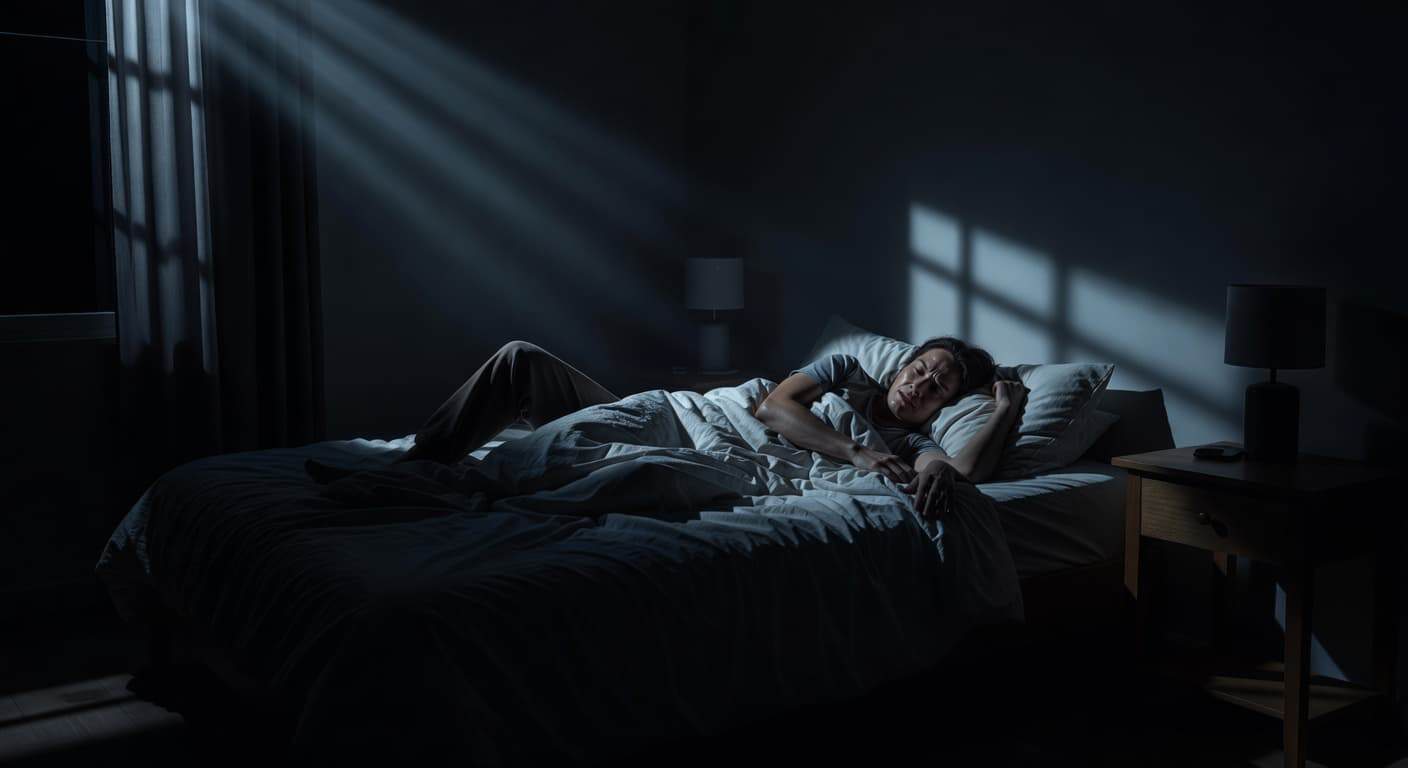
Why do I feel sleepy all day but wide awake at night?
Your body runs on a clock, and that clock can drift later than you want. If you have a delayed sleep rhythm, you may naturally feel more alert at night and sleepier in the morning or afternoon. Light exposure, especially late at night, can push that clock even later.
Naps can also blur your sleep drive. A long nap or a late nap may take the edge off your sleep pressure, so bedtime arrives before your body feels ready. Regular late-night habits, like working until midnight or scrolling in bed, can train your system to stay alert when you want it to slow down.
One simple clue is this: if you feel awake at 1 a.m. but sluggish at 9 p.m., your body clock may be part of the problem. Johns Hopkins has a plain explanation of getting back to sleep after middle-of-the-night wake-ups in its guide on how to get back to sleep.
Can you be exhausted and still not sleep?
Yes. Being exhausted does not always lead to sleep. Stress hormones, including cortisol, can keep the body in a more alert state even when you feel worn out. Pain can do the same thing by keeping your nervous system busy.
Overthinking can also block sleep. You may feel drained, but your mind is still working through tomorrow’s to-do list, a conflict, or a worry you never had time to sort out. That split, tired body and active brain, is one of the most frustrating parts of insomnia.
Why do I wake up the moment I finally fall asleep?
Sometimes you are still in light sleep when the first wake-up happens. Light sleep is easier to interrupt, so a sound, a pain flare, or even a stress spike can pull you awake fast. If your nervous system feels over-alert, it may react to tiny changes that other people sleep through.
Breathing issues can also cause brief wake-ups, and so can a room that’s too hot, too cold, or too noisy. If the pattern keeps repeating, it usually means something is nudging your sleep before it can settle.
Why does insomnia make me feel anxious about bedtime itself?
When bad nights pile up, bedtime can start to feel like a test you might fail. That fear is sleep anxiety, and it can become part of the problem. You start dreading the bed, then your body learns to tense up at the sight of it.
That loop is powerful because it builds on itself. You worry about sleeping, your body stays alert, and the harder you try, the more bedtime feels loaded. A common first step is to stop treating sleep like a performance and start treating bedtime like a calm routine.
Can insomnia make your body feel weird, not just your mind?
Yes, and it often does. Sleep loss can show up as headaches, tight neck or jaw muscles, stomach upset, dizziness, shakiness, or a wired-but-tired feeling. When you don’t sleep well, your body keeps trying to function on low fuel.
The nervous system can also get jumpy. You may feel more sensitive to noise, more prone to stomach trouble, or more aware of every small body sensation. That does not mean something mysterious is happening, it often means your system is overloaded.
Why do I seem to sleep worse after trying harder to sleep?
Trying harder can turn sleep into a pressure-filled job. If you keep checking the clock, judging how fast you fall asleep, or mentally counting down the hours left, the body tends to stay on alert. Sleep comes more easily when you feel safe and calm, not forced.
This is where a relaxed routine helps more than brute effort. Dim lights, a steady wind-down, and less clock-watching can make bedtime feel less like a deadline. A Cleveland Clinic insomnia guide also explains how sleep habits and sleep hygiene can affect insomnia.
Is it normal to dream more when I barely sleep?
It can be. When sleep is lighter or broken up, you may remember dreams more easily because you wake up closer to them. That does not always mean you are dreaming more, only that you are catching more of it.
Stress can make dream recall feel stronger too. During stressful stretches, sleep may be choppier, and those brief wake-ups can leave dream images stuck in your head. The result can feel intense even if the total dream time has not changed much.
Why do I always wake up at the same strange hour?
Repeated wake-ups often have a reason. Stress can train your body to wake at the same time each night, especially if your brain expects trouble around that hour. Your body clock can also play a role, since some people naturally become lighter sleepers at certain times.
Room temperature, noise outside, blood sugar swings, pain, and even a pet moving around can all trigger the same wake-up window. If the pattern repeats, it’s worth checking the environment and your evening habits before assuming it’s random.
Can a small sleep problem turn into a big one?
It can, because one bad night often leads to worry about the next night. After a while, your brain may start linking bed with frustration, which makes it harder to relax when you get in it. That learned pattern is one reason insomnia can stick around.
The good news is that patterns can change. If you stop reinforcing the bed-as-a-worry-place habit, sleep can become easier again over time. The first step is noticing the cycle before it becomes your default.
Why does caffeine still affect me even when I drank it hours ago?
Caffeine stays in your system longer than many people expect. Some people process it quickly, while others are much more sensitive and feel the effects for a long time after the last cup. That is why an afternoon coffee can still touch bedtime.
If caffeine seems to be part of your sleep issue, test your cutoff time. Try moving coffee, tea, energy drinks, and pre-workout earlier in the day, then watch what happens for a week or two. Small timing changes often tell you more than guesswork.
Can naps make insomnia worse, or are they helping?
Both can be true. A short, early nap may take the edge off daytime exhaustion without ruining night sleep. But a long nap, or one taken late in the day, can reduce your sleep drive and make bedtime harder.
If you nap, keep it brief and earlier in the afternoon. That helps you recover a little without stealing too much pressure from nighttime sleep. When insomnia is active, nap timing matters more than people expect.
Why does scrolling on my phone make sleep feel farther away?
Phones bring in two sleep blockers at once. The light can keep your brain alert, and the content keeps your mind busy long after you meant to stop. A single post can turn into thirty more, and suddenly bedtime is gone.
A simple fix is to set a cutoff time and dim the lights before bed. You can also swap scrolling for something that does not pull your attention so hard, like a paper book, soft music, or a basic wind-down routine. That small change can make sleep feel closer instead of farther away.
Is it possible to be asleep and not know it?
Yes, that can happen. People sometimes feel awake during brief sleep periods, especially when sleep is light or fragmented. If you keep waking up, the breaks in sleep can make the whole night feel like no sleep happened at all.
That feeling is very real, even when some sleep did occur. Sleep perception gets unreliable when you are tired and frustrated, so the clock may not match how the night felt. This is one reason sleep diaries can be more useful than memory alone.
Why does insomnia seem worse during stressful life changes?
Big changes shake up both your mind and your body clock. Grief, job stress, travel, parenting pressure, illness, and schedule shifts can all push sleep out of rhythm. Even a good change, like a new job or a move, can leave your system on edge for a while.
Stress changes bedtime habits too. You may eat later, use screens more, or wake up thinking about what comes next. That is why insomnia often flares when life is already busy or uncertain.
Can hunger, indigestion, or a late snack keep me awake?
Yes. An empty stomach can make you feel restless, while a heavy meal can leave you uncomfortable. Reflux, gas, or a sugar swing can also pull you out of sleep or make it harder to settle.
Timing helps here. A light snack may work better than going to bed starving, but a large, greasy, or spicy meal close to bedtime can cause trouble. If food seems to matter, keep evening meals steady and give your body time to digest before sleep.
Why do I feel more awake after lying in bed for an hour?
Lying awake too long can train your brain to connect bed with wakefulness. Once that link forms, your bed starts to feel like a place for thinking, worrying, or watching the clock instead of sleeping. The longer you stay there frustrated, the stronger that message can get.
A better move is to get up briefly if sleep is not coming. Keep the lights low, do something calm, and return to bed when you feel sleepy again. That helps the brain relearn what the bed is for.
Does insomnia make time feel slower at night?
Yes, it often does. When you keep checking the clock, each minute can feel stretched thin. Frustration makes that feeling worse, because your attention locks onto time instead of rest.
That is why clock-watching can make a short delay feel like a long night. Turning the clock away can help the hours feel less sharp and less punishing.
Can my sleep environment be causing more trouble than I think?
Very easily. A room that is too bright, too warm, too cold, or too noisy can break up sleep without making the cause obvious. Pets, a snoring partner, a lumpy mattress, or scratchy bedding can add to the problem.
Start with small changes you can actually test. Try blackout curtains, a fan, a white-noise machine, or a different pillow. If your bedroom feels calm, your body usually settles faster too.
When is insomnia a sign I should stop guessing and get help?
If the sleep problem keeps going, gets worse, or starts affecting work, mood, or safety, it’s time to get help. Loud snoring, breathing pauses, restless legs, major daytime sleepiness, depression, or anxiety that feels out of control also deserve attention. Those clues can point to something more than stress or bad sleep habits.
A doctor can help sort out what’s going on and rule out other sleep problems. If you’ve been guessing for a while and nothing changes, that’s a sign to stop waiting it out.
Simple non-prescription ideas that may help tonight
When sleep feels stuck, the best move is usually small and boring. A calmer routine, a better room setup, and a few habit tweaks can lower the friction enough to help you fall asleep sooner.
These ideas are not a cure-all, but they are practical, low-risk changes you can try tonight. Pick one or two, test them for a few nights, and watch for patterns instead of expecting perfection right away.
Build a calmer bedtime routine that your brain can learn
Your brain likes patterns. If you repeat the same wind-down in the same order each night, your body starts to recognize what comes next and settles more easily.
A simple routine works best when it stays familiar. For example, dim the lights, wash up, brush your teeth, read a few pages, do a light stretch, then get into bed within the same bedtime window. You do not need a perfect routine, just a repeatable one.
The goal is to send one clear message: the day is over. A consistent sequence matters more than how long each step takes or whether you do it flawlessly.

A few easy pieces can make the routine stick:
- Dim the lights early so your brain gets fewer “stay awake” signals.
- Keep hygiene simple with the same steps each night.
- Choose a low-key activity like reading, gentle stretching, or calm music.
- Set a loose bedtime window instead of chasing the perfect minute.
If you want a general sleep-hygiene checklist, the Mayo Clinic’s sleep tips cover schedule, light, and daily habits in plain terms.
Make your room work for sleep, not against it
A better bedroom does not have to cost much. Small fixes often matter more than fancy products, especially when you are already tired and sensitive to every little annoyance.
Start with temperature. Most people sleep better in a cooler room, so open a window if weather allows, use a fan, or switch to lighter bedding. Light is the next target, so close blinds, cover small LEDs, or use a sleep mask if early light wakes you.
Noise can be just as disruptive. A fan, white noise, soft background sound, or even earplugs can take the edge off sudden sounds. If your mattress or pillow feels off, try a different pillow from another room, add a blanket for support, or flip the mattress if that helps.
The best sleep setup is the one that removes tiny irritants. A room that feels calm gives your body fewer reasons to stay alert.
Watch the habits that quietly steal sleep pressure
Some habits do not feel like sleep problems until bedtime arrives. They chip away at sleep pressure during the day, then leave you frustrated when you actually want to sleep.
Caffeine is a common one. If afternoon coffee or tea keeps you awake, move your cutoff earlier and test it for a few nights. Long naps can have the same effect, so keep them short and earlier in the day if you nap at all.
Phone use is another big one. Scrolling in bed keeps your mind active and exposes you to light that can push sleep later. A better experiment is to charge the phone across the room and give yourself a screen-free stretch before bed.
Irregular sleep times matter too. Going to bed and waking up at wildly different hours confuses your body clock, even if the schedule only shifts by a little. Try to keep wake time steady first, since that often helps bedtime follow.
One last habit to watch is staying in bed while wide awake. If sleep does not come, get up briefly, keep the lights low, and return when you feel sleepy again. That helps the bed stay linked with sleep instead of frustration.
A few small experiments can tell you a lot:
- Move caffeine earlier and see whether bedtime feels easier.
- Cut naps short or skip them for a few days.
- Put the phone away before bed and replace scrolling with something calmer.
- Keep wake time close to the same hour each morning.
- Leave the bed for a short break if you feel alert and restless.
These changes may seem small, but they often reveal what is getting in the way. Once you spot the pattern, tonight becomes easier to manage than it was yesterday.
Conclusion
Insomnia can feel strange, but many of its oddest symptoms have common causes. A noisy mind at bedtime, repeated wake-ups, and that tired-but-alert feeling often follow the same patterns of stress, habit, light, caffeine, or a body clock that is off track.
The most useful step is to notice what keeps showing up. Small changes, like cutting late caffeine, easing screen use, and keeping a steadier routine, can make nights feel less stubborn. When sleep problems last or start affecting daily life, it makes sense to get help.
Keep learning what your body is doing, and start with gentle, non-prescription steps when they fit. Pattern awareness can make insomnia easier to understand, and that is often the first real step toward better sleep.