
Melatonin gets most of the attention, but it isn’t the only natural option for sleep. If you’ve tried it and felt no change, or didn’t like how it made you feel, you still have other paths to try.
Some natural sleep aids may calm a busy mind. Others may relax a tense body or make a bedtime routine feel easier to stick with. This guide focuses on lesser-known, non-prescription options, plus simple habits that help them work better. Safety still matters, especially during pregnancy, with health conditions, or if you take other medicines.
Key takeaways: natural sleep aids that may help without melatonin
- Magnesium glycinate may help if your body feels tight, restless, or hard to settle at night.
- Glycine is an amino acid that may support falling asleep and improve sleep quality for some people.
- Chamomile is a gentle herb, often taken as tea, that may ease mild stress before bed.
- Lemon balm may help calm nervous tension and support a smoother wind-down.
- Passionflower may help when bedtime worry or mental chatter keeps you alert.
- Lavender, often used as a scent, may promote relaxation without feeling like a supplement.
- Tart cherry juice is a food-based option linked to sleep support in some studies.
- Kiwi has shown possible sleep benefits in small studies and is easy to try as a snack.
- Valerian root may help some people relax, but results are mixed and side effects can happen.
The best choice often depends on your main sleep problem, whether that’s stress, trouble falling asleep, or waking during the night.
How natural sleep aids work, and why one option may fit you better than another
Not all sleep aids do the same job. That’s why one person swears by herbal tea, while another notices more from magnesium or a small bedtime snack.
Some options work by helping your nervous system shift into a calmer state. Others may support muscle relaxation or help your body settle into a steady evening rhythm. In plain terms, think of sleep like landing a plane. Some aids lower the noise in your head. Others help the body touch down.
If stress keeps you awake, look for calming herbs and scents
Stress can keep your brain in “go” mode long after the day ends. You lie down, but your thoughts keep pacing. In that case, calming herbs and soothing scents may make more sense than nutrients aimed at muscle tension.
Chamomile, lemon balm, passionflower, and lavender are often used for this kind of bedtime trouble. They don’t knock most people out. Instead, they may help the edge come off, which is often enough to make sleep easier.
If your body feels tense, nutrients and amino acids may be more useful
Sometimes the problem isn’t racing thoughts. It’s the feeling that your body won’t let go. Tight shoulders, restless legs, jaw clenching, or that odd sense of being tired but not settled can point you toward a different kind of support.
That’s where options like magnesium glycinate and glycine come in. These may appeal more if you want physical relaxation, not a strong sleepy feeling. They aren’t magic, but they can be a better fit for the right person.
Natural sleep aids you might not know about, and what the research says
Research on natural sleep aids is mixed, and that’s normal. Sleep is personal. A gentle aid can help one person a lot and do little for someone else.
Magnesium glycinate and glycine, two quiet standouts for winding down
Magnesium glycinate is a form of magnesium many people choose for evening use because it’s often gentler on the stomach than some other forms. It isn’t a sedative. Still, it may help some people feel more relaxed, which can make it easier to drift off. It’s often a good fit if you carry stress in your body. For a deeper look at how magnesium supports sleep, including the research limits and who benefits most, see our full evidence-based guide.
Glycine is an amino acid. Some small studies suggest it may help with sleep onset and sleep quality. People sometimes describe it as helping them feel more “ready” for sleep, rather than heavy or drugged.
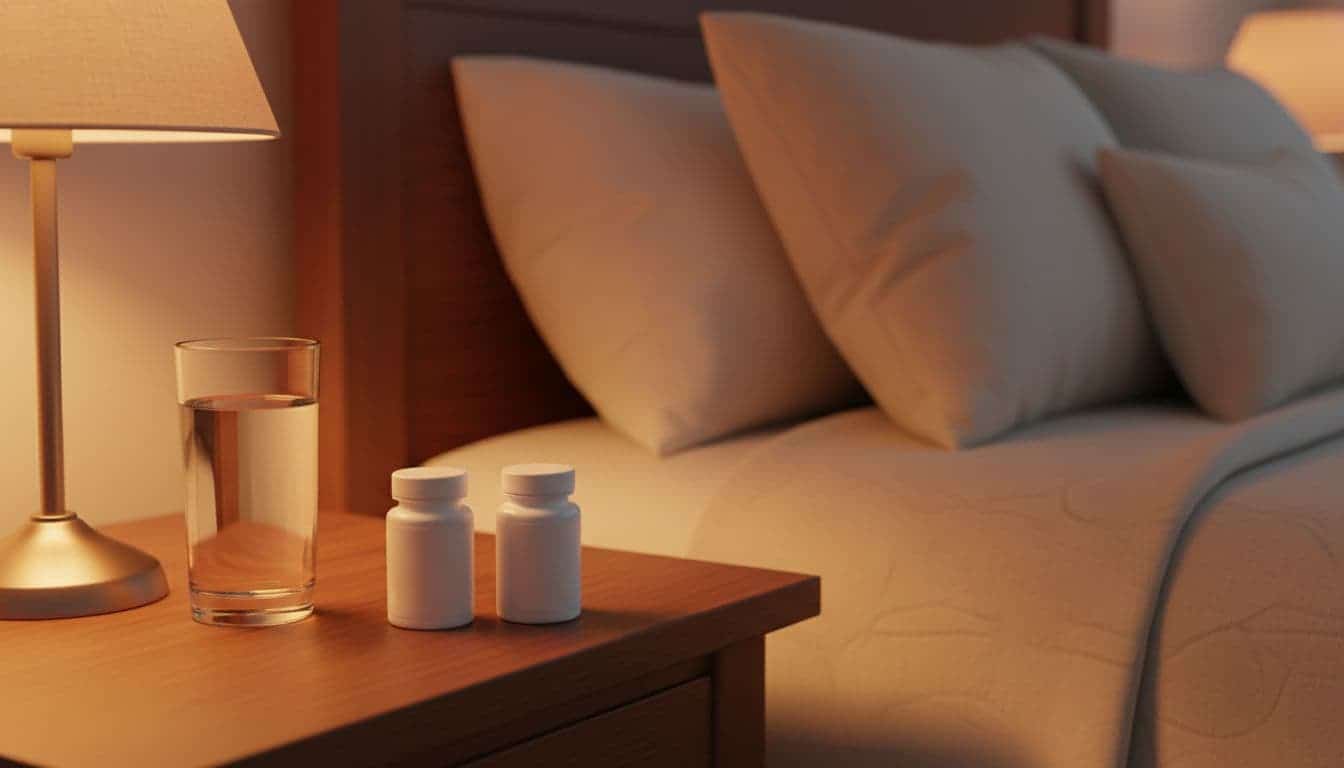
Both may suit people who feel physically wired at bedtime. However, magnesium can still upset the stomach, especially in forms other than glycinate. If you have kidney disease, get medical advice before taking magnesium.
Chamomile, lemon balm, and passionflower for a calmer bedtime routine
These herbs are popular for a reason. They are simple, familiar, and often easy to try as tea, tinctures, or capsules. The main appeal is that they may ease mild stress-related sleep trouble, especially when bedtime feels mentally noisy.
Chamomile is the classic option. Lemon balm is often described as calming without feeling too heavy. Passionflower may be worth a look if your mind loops at night. The evidence isn’t perfect, but many people find these herbs useful as part of a steady routine.

One caution matters here. Chamomile can be a problem if you have ragweed allergies. Also, herbs can interact with sedatives, alcohol, and other medicines. Natural doesn’t mean harmless.
Lavender, tart cherry juice, and kiwi, gentle options that feel less like supplements
Lavender stands out because you don’t have to swallow anything. A pillow spray, essential oil diffuser, or a few drops on a cotton pad may help create a calmer sleep cue. For some people, scent works like a dimmer switch for the evening.
Tart cherry juice is a food-based option that gets less buzz than melatonin. Some research links it to better sleep, although results vary. Kiwi is another simple choice. Small studies suggest it may help some people fall asleep faster or sleep longer.
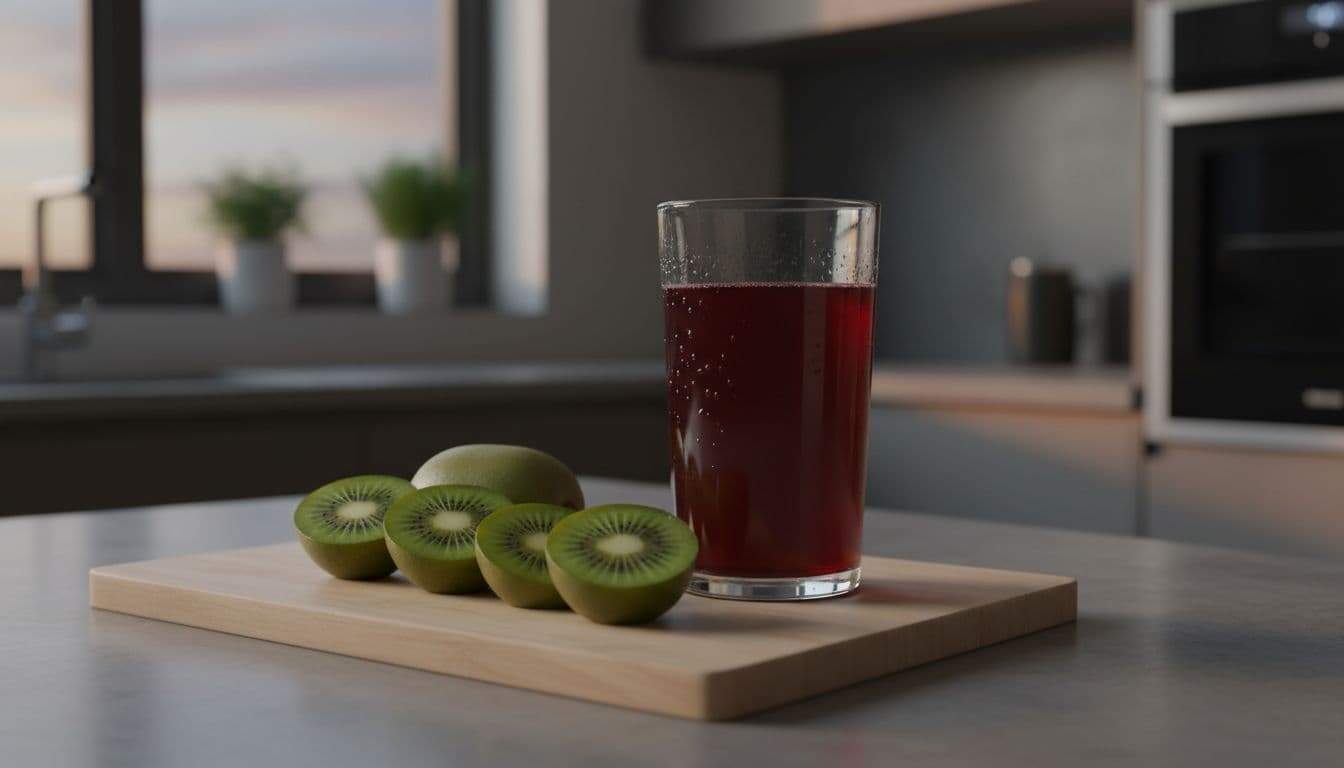
These options may suit people who prefer gentle, food-first approaches. Still, juice contains sugar, and food-based choices won’t help everyone. They’re best seen as low-pressure experiments, not fixes. Saffron is another food-derived option gaining attention. Early research suggests it may improve sleep quality, especially when stress or low mood plays a role.
Valerian root, a long-used herb that can help some people but not all
<a href="https://sleeplesszone.com/valerian-root-for-sleep/">Valerian root</a> has been used for sleep for a long time, yet it still sits in melatonin’s shadow. Some people find it calming. Others notice no benefit at all. That’s pretty much what the research shows too, mixed results.
If you’re curious, think of valerian as an occasional trial, not a casual nightly habit. It can cause next-day grogginess, stomach upset, or vivid dreams in some people. It may also interact with medicines that cause drowsiness, so check safety first.
How to try a natural sleep aid safely and know if it is actually helping
The biggest mistake is trying three things at once. If your sleep improves, you won’t know why. If you feel worse, you won’t know what caused it.
Start with one option, use it consistently, and track what changes
Pick one aid that matches your main issue. Then use it for several nights, or up to a couple of weeks if it’s a gentle option like lavender, kiwi, or herbal tea.
Track a few simple things, how long it takes to fall asleep, how often you wake up, total sleep time, and how you feel the next day. A short note on your phone is enough. Patterns matter more than one good night.
If you don’t measure anything, every sleep aid can seem helpful for two nights and useless by the fourth.
Know when natural does not mean risk free
This part matters most. Herbs and supplements can interact with sleep medicines, antidepressants, blood thinners, alcohol, and other products that cause drowsiness.
If you’re pregnant, breastfeeding, managing a chronic illness, or have sleep apnea, ask a clinician before trying something new. The same goes for loud snoring, breathing pauses, pain, or anxiety that keeps showing up at night. Those signs point to a bigger issue than a bedtime supplement can fix.
Common questions about natural sleep aids besides melatonin
What is the best natural sleep aid besides melatonin?
There isn’t one best choice for everyone. Match the aid to the problem. Calming herbs may suit stress, while magnesium glycinate or glycine may fit physical tension better.
Are natural sleep aids safe to take every night?
Sometimes, but it depends on the herb or supplement, the dose, your health history, and other medicines. Long-term nightly use is best discussed with a clinician, especially for stronger herbs.
Which natural sleep aids may help with anxiety at night?
Chamomile, lemon balm, passionflower, lavender, and magnesium glycinate are common starting points. If anxiety is frequent, though, you’ll likely need a broader plan than a sleep aid alone.
Can food and drinks really help you sleep better?
They can for some people. Kiwi and tart cherry juice are simple examples. Still, they work best as part of a solid bedtime routine, not as a magic switch.
Melatonin isn’t your only option, and that’s good news. A well-matched aid, even a gentle one, can sometimes make the difference between lying there frustrated and finally easing into sleep.
Start simple, stay consistent, and pay attention to your own patterns. If sleep trouble is frequent, severe, or comes with snoring, breathing pauses, pain, or strong anxiety, get help, because the best sleep aid may be finding the real cause.