
If your sleep suddenly feels off, your hormones may be part of the story. These chemical messengers help control when you feel sleepy, alert, calm, hungry, and warm or cool at night.
So if hormones shift, sleep often shifts too. You might struggle to fall asleep, wake up often, feel hot and sweaty, get anxious at bedtime, or snap awake at 3 a.m. The good news is that there are natural ways to support better sleep while your body finds its balance.
Key takeaways for better sleep when hormones are shifting
- Hormones help run your body clock, body temperature, mood, breathing, and sleep drive.
- Melatonin, cortisol, estrogen, progesterone, thyroid hormones, and insulin can all affect sleep quality.
- Periods, pregnancy, postpartum changes, perimenopause, menopause, and chronic stress can all trigger insomnia symptoms.
- Hormone-related sleep problems often show up as night sweats, early waking, restless sleep, racing thoughts, or feeling tired but wired.
- Morning light, a cool bedroom, regular sleep times, balanced meals, and stress reduction can help a lot.
- Track patterns for 2 to 4 weeks, because timing often reveals what one bad night cannot.
- If symptoms are strong, getting worse, or come with heavy bleeding, rapid heartbeat, or choking during sleep, get medical advice.
How hormones affect sleep in the first place
Hormones act like text messages inside your body. They tell different systems when to slow down, warm up, cool off, store energy, or stay alert. Sleep depends on that timing.
That means poor sleep is not always about bad habits. Sometimes the real issue is that your internal signals are arriving too early, too late, or too loudly.
The main hormones that shape sleep and wake time
Melatonin helps signal darkness and bedtime. If its timing gets pushed later by stress, bright light, or irregular sleep, you may not feel sleepy when you want to.
Cortisol does the opposite. It should rise in the morning and drop at night. If it stays high, your body can feel like a house with the lights still on.
Estrogen and progesterone also matter. Estrogen affects temperature, mood, and serotonin. Progesterone often has a calming effect. When these shift, sleep can become lighter and more broken.
Thyroid hormones affect speed. Too much can leave you hot, restless, and wide awake. Too little can cause fatigue, but not always refreshing sleep.
Insulin helps manage blood sugar. When blood sugar drops or swings at night, you may wake shaky, hungry, sweaty, or alert.
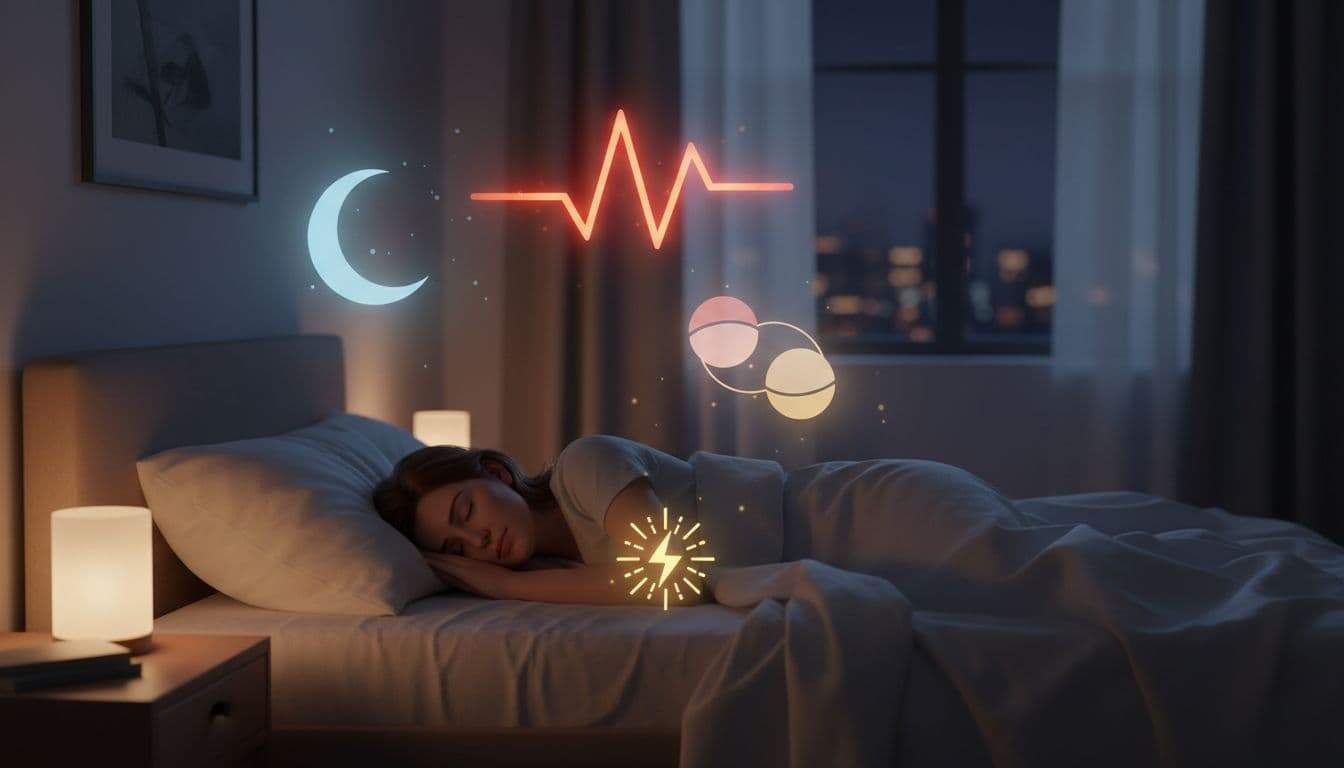
Why small hormone shifts can feel huge at night
At bedtime, there are fewer distractions. So you notice every change more. A little heat feels hotter. Mild anxiety feels louder. A small blood sugar dip can feel like an alarm.
Night also makes symptoms stand out because sleep needs stable conditions. If your temperature rises, your heart races, or your mood swings, sleep can break apart fast.
When hormones are off, sleep often becomes a messenger, not a mystery.
Common hormonal changes that can lead to insomnia symptoms
Real life is rarely neat. More than one hormone issue can happen at once, which is why sleep can feel confusing.
Menstrual cycle changes, PMS, and sleep before a period
Many people sleep differently across their cycle. Before a period, estrogen and progesterone shift quickly. As a result, you may deal with cramps, headaches, bloating, breast tenderness, vivid dreams, or a shorter fuse.
Some feel sleepier after ovulation. Others feel more wired before bleeding starts. If you notice a monthly pattern, that clue matters.
Pregnancy and postpartum sleep changes
Early pregnancy often brings deep fatigue. Yet sleep may still get interrupted by nausea, frequent urination, breast soreness, or reflux. Later on, body discomfort and worry can take over.
After birth, hormones drop quickly. Feeding schedules, stress, and broken sleep pile on. That stage can feel rough even when everything is normal, so gentle support matters.
Perimenopause and menopause, hot flashes, night sweats, and early wake-ups
During perimenopause and menopause, estrogen and progesterone change in uneven ways. That can affect body temperature, mood, and sleep depth. Many people describe lighter sleep that breaks apart for no clear reason.
A common pattern is waking at 3 or 4 a.m., suddenly hot, alert, or anxious. Others fall asleep fine but wake drenched or restless several times a night.

Stress hormones, blood sugar swings, and feeling tired but wired
Chronic stress can keep cortisol too active at night. You may feel exhausted all day, then oddly awake once your head hits the pillow.
Poor meal timing can add to that. So can too much caffeine, alcohol, or long gaps without food. If you wake hungry, shaky, sweaty, or with a busy mind, stress hormones and blood sugar may both be involved.
Thyroid and other hormone issues that should not be ignored
Sometimes sleep trouble points beyond a normal life stage. Ongoing insomnia with heat intolerance, heart pounding, unexplained weight change, or deep fatigue deserves attention.
This does not mean something serious is always wrong. It does mean guessing has limits, and a medical check can save time.
Signs your sleep problem may be linked to hormones
Patterns matter more than isolated bad nights. If your sleep issues come and go with cycle changes, stress spikes, or hot flashes, hormones may be involved.
Clues to watch for in your body, mood, and sleep pattern
Look for signs that travel together, not one symptom by itself:
- night sweats or overheating
- irregular periods or PMS flare-ups
- acne, headaches, or breast tenderness
- mood swings, morning anxiety, or low libido
- waking at the same time each night
- new snoring, gasping, or lighter sleep than usual
How to use a simple sleep and symptom journal
Track 2 to 4 weeks, not one rough weekend. Write down bedtime, wake time, night waking, caffeine, alcohol, meals, stress, room temperature, cycle timing, and symptoms like hot flashes or palpitations.
Keep it simple so you’ll stick with it. A basic notebook works well.

What to do, natural ways to sleep better when hormones are off
You can’t control every hormone shift. Still, you can lower the friction that makes night feel harder.
Set your body clock with morning light and steady sleep times
Get outside soon after waking, even for 10 to 20 minutes. Morning light helps set melatonin later that night and supports a healthier cortisol rhythm.
Also keep sleep and wake times steady, including weekends. Long late naps can blur those signals, so keep naps short and early if you need one.
Keep your bedroom cool, dark, and calm
A cooler room often helps hormone-related sleep more than people expect. Use breathable sheets, light layers, blackout curtains, and a fan if you run hot.
Lower light in the hour before bed, and keep noise down. When your body is already touchy, a bright phone screen or warm room can be enough to wake it up.

Eat and drink in ways that support stable sleep
Aim for a balanced evening meal with protein, fiber, and carbs. That combo may help keep blood sugar steadier overnight.
Try not to eat a huge heavy dinner right before bed. Also watch caffeine timing, especially after lunch, and go easy on alcohol. It can make you sleepy at first, then disturb sleep later.
Use simple stress-lowering habits to calm nighttime cortisol
Your body needs a runway, not a wall. A short wind-down routine tells it that alert time is ending.
Try five minutes of slow breathing, light stretching, gentle meditation, or a quick journal dump. Cut doomscrolling if you can. Calm habits seem small, but they help shift the body out of fight-or-flight mode.
Consider natural supports carefully, and know when to ask for help
Some people ask about melatonin, magnesium, herbal tea, or supplements. Those can help some people, but they are not one-size-fits-all.
Be extra careful during pregnancy, postpartum, or if you have thyroid concerns. If symptoms persist, talk with a qualified clinician before adding new products.
When hormone-related sleep problems need medical attention
Home strategies can help a lot. Still, some symptoms should not be brushed off.
Red flags that should not wait
Get medical care sooner if you have severe night sweats, chest pain, major mood changes, heavy bleeding, missed periods without a clear reason, loud snoring with choking, rapid heartbeat, sudden weight change, or insomnia that keeps worsening.
What a doctor may check and how to prepare for the visit
A clinician may look at thyroid function, iron or anemia, blood sugar, medications, sleep apnea, or menopause and postpartum concerns. Bring your sleep and symptom journal.
That record can make the visit more useful. It shows timing, triggers, and patterns that are easy to forget in the office.
Frequently asked questions about hormones and sleep
Can hormones cause insomnia?
Yes. Hormones affect sleep timing, temperature, mood, and alertness. When they shift, insomnia symptoms can show up.
How do I know if my insomnia is hormonal?
Look for patterns. If sleep changes line up with your cycle, pregnancy, postpartum changes, perimenopause, hot flashes, or stress spikes, hormones may be involved.
Why do I wake up at 3 a.m. during perimenopause?
Changing estrogen and progesterone can affect temperature and sleep depth. Hot flashes, anxiety, and lighter sleep can all make early waking more common.
Can stress hormones keep me awake?
Yes. High nighttime cortisol can make you feel tired but wired. It may also cause a racing mind, early waking, or restless sleep.
What natural remedies may help hormone-related sleep issues?
Morning light, regular sleep times, a cooler bedroom, balanced meals, less caffeine and alcohol, and a calming bedtime routine often help first. Track your response over time.
Your sleep problem is real, and it often has a physical cause. When hormones shift, the body can feel like it forgot the script, but small changes can still steady the night.
Start with the basics that matter most, track patterns, get morning light, cool the bedroom, and calm stress before bed. If symptoms are intense or keep hanging on, get help, because better sleep often starts with the right explanation.