
Key Takeaways
- Sleeping on your left side can reduce acid reflux symptoms by up to 71% compared to sleeping on your right side.
- Avoiding meals within 3 hours of bedtime significantly improves both sleep quality and digestive comfort.
- Natural remedies like ginger tea, chamomile, and diluted apple cider vinegar can provide quick relief from indigestion without medication.
- Elevating your upper body by 6-8 inches while sleeping creates a gravity advantage that prevents stomach acid from flowing into your esophagus.
- Chronic nighttime indigestion that disrupts sleep may indicate an underlying condition requiring medical attention, especially if accompanied by weight loss or difficulty swallowing.
That burning sensation in your chest isn’t just ruining your dinner—it’s destroying your sleep. If you’re among the millions who toss and turn with nighttime indigestion, relief may be simpler than you think. Natural remedies can address both poor sleep and digestive discomfort without the side effects of medications.
Nearly 60% of adults experience nighttime digestive issues that interfere with restorative sleep. These complementary problems create a vicious cycle that leaves you exhausted and uncomfortable. Gastroconsa Health recommends addressing both conditions simultaneously for the most effective relief, as their research shows digestive discomfort is one of the leading causes of sleep disturbance in adults over 40.
Understanding the relationship between your digestive system and sleep quality is the first step toward finding lasting relief. Let’s explore natural solutions that target both problems at their source.
Why Your Stomach Problems Are Ruining Your Sleep
That uncomfortable burning sensation isn’t just annoying—it’s biologically incompatible with sleep. Your body isn’t designed to digest food while lying flat, and when stomach acid creeps up into your esophagus, it triggers a stress response that keeps your brain alert.
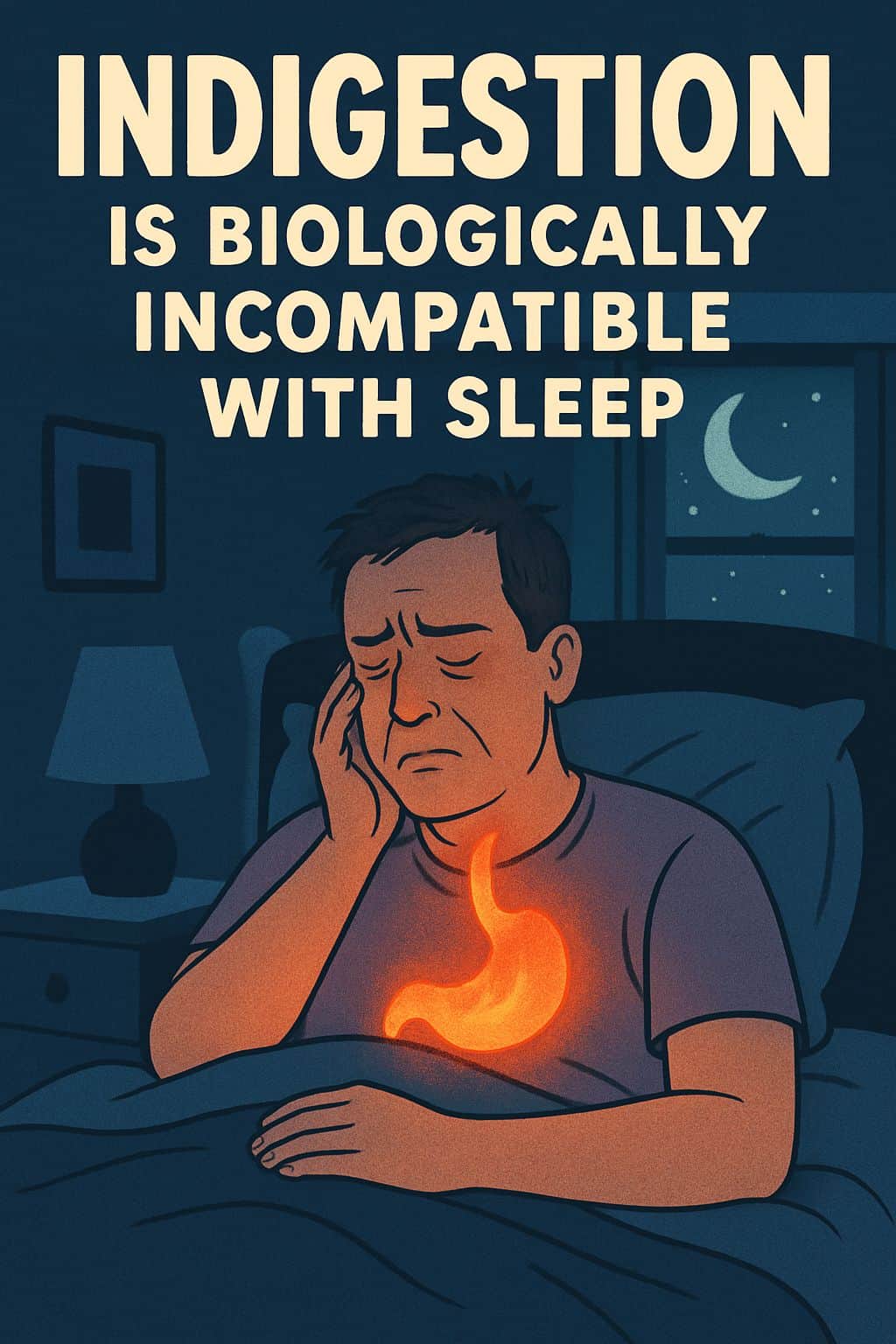
Nighttime acid reflux interrupts your sleep architecture, specifically reducing REM and deep sleep—the most restorative stages. Even mild reflux that doesn’t fully wake you can still fragment sleep quality, leaving you feeling unrested despite spending adequate time in bed.
- Stomach acid irritates the esophageal lining, triggering pain signals
- Reflux can cause micro-arousals that disrupt sleep cycles without full awakening
- Lying flat eliminates gravity’s assistance in keeping stomach contents down
- Swallowing frequency decreases during sleep, reducing acid clearance
- Nighttime digestion diverts energy from important sleep restoration processes
The timing of your meals plays a crucial role too. Eating within three hours of bedtime significantly increases the likelihood of reflux episodes. When your body is still actively digesting as you lie down, you’re setting yourself up for a night of discomfort and interrupted sleep. For more insights, you can explore tips on managing nighttime GERD.
The Connection Between Digestive Health and Sleep Quality
Your gut and brain communicate continuously through the gut-brain axis, a bidirectional communication highway that explains why digestive problems and sleep issues so often occur together. This connection means that improving one aspect typically benefits the other.
How Acid Reflux Disrupts Sleep Cycles
Acid reflux doesn’t just cause physical discomfort—it actively interferes with your sleep architecture. When stomach acid backs up into your esophagus during sleep, it creates micro-arousals that fragment your sleep cycles. These brief awakenings may be so subtle you don’t remember them, but they prevent you from reaching and maintaining the deeper, restorative stages of sleep.
Research shows that people with nighttime acid reflux spend more time in lighter sleep stages and experience fewer complete sleep cycles. The pain and discomfort trigger stress hormones that keep your body in a heightened state of alertness, making it difficult to achieve the relaxation necessary for quality sleep.
Why Lying Down Makes Indigestion Worse
During the day, gravity works in your favor by helping keep stomach contents where they belong. When you lie down, this natural assistance disappears, allowing stomach acid to flow more easily into the esophagus.
The lower esophageal sphincter (LES), which normally acts as a one-way valve between your stomach and esophagus, relaxes during sleep. This relaxation, combined with the horizontal position, creates ideal conditions for acid reflux. Your body also produces less saliva during sleep, removing another natural defense against acid damage.
Additionally, the pressure from a full stomach against the diaphragm increases when lying down, further compromising the LES’s ability to remain closed. This explains why late-night meals are particularly problematic for people prone to indigestion and reflux.
The Vicious Cycle: Poor Sleep Worsens Digestive Issues
The relationship between sleep and digestion works both ways. Poor sleep triggers inflammatory responses throughout the body, including the digestive tract. This increased inflammation can worsen conditions like acid reflux and slow overall digestion.
Sleep deprivation also affects hormone production, particularly ghrelin and leptin, which regulate hunger and satiety. When these hormones are disrupted, you’re more likely to overeat or make poor food choices that further aggravate digestive problems. The resulting discomfort then continues to disrupt your sleep, perpetuating the cycle.
7 Immediate Relief Strategies for Nighttime Indigestion
When you’re lying awake with burning discomfort, you need solutions that work fast. These natural approaches provide quick relief while addressing the root causes of your digestive distress. Unlike medications that may cause rebound effects or dependency, these remedies support your body’s natural healing processes.
1. Sleep on Your Left Side to Reduce Reflux
Your internal anatomy makes left-side sleeping significantly more effective for reducing reflux. When you sleep on your left side, your stomach sits below the esophagus, creating a physical barrier that helps prevent acid from flowing upward. Research shows this simple position change can reduce reflux episodes by up to 71% compared to sleeping on your right side. For those experiencing sleep deprivation at night, adjusting your sleeping position might be a helpful solution.
The left-side position also improves the efficiency of the digestive process itself. It enhances gastric emptying by positioning the pyloric valve (the exit from your stomach) above the level of gastric contents, which may help food move through your system more effectively during sleep.
2. Elevate Your Upper Body with Proper Support
Creating a gravity advantage can dramatically reduce reflux symptoms overnight. Elevate the head of your bed by 6-8 inches using bed risers or a wedge pillow specially designed for acid reflux. This incline keeps stomach contents where they belong through simple physics.
Avoid the temptation to simply pile up regular pillows, as this only bends your body at the waist and can actually increase abdominal pressure. A proper wedge supports your entire torso from shoulders to waist, maintaining spinal alignment while creating the necessary elevation gradient. For more tips on managing symptoms, check out these 8 tips for better sleep with acid reflux.
3. Try Ginger Tea Before Bed
Ginger contains powerful compounds that calm the digestive system from multiple angles. It accelerates gastric emptying, reduces inflammation in the digestive tract, and suppresses H. pylori, a bacteria linked to ulcers and indigestion. A cup of freshly steeped ginger tea 30-45 minutes before bed can prepare your digestive system for restful sleep.
For maximum effectiveness, use fresh ginger root rather than tea bags. Steep a thumb-sized piece, thinly sliced, in hot water for 5-10 minutes. Add a small amount of raw honey if desired, but avoid sweetening excessively as sugar can contribute to fermentation and gas production.
4. Use Apple Cider Vinegar Diluted in Water
While it seems counterintuitive, many cases of heartburn actually result from too little stomach acid rather than too much. One tablespoon of raw, unfiltered apple cider vinegar mixed in 8 ounces of water can help balance stomach pH and improve digestion when consumed 15-20 minutes before meals. For more insights, you can explore how nighttime GERD affects sleep.
The acetic acid in apple cider vinegar appears to help tighten the lower esophageal sphincter, preventing backflow of stomach contents. Start with a smaller amount (1 teaspoon) and gradually increase to assess your tolerance, as this remedy isn’t suitable for everyone, particularly those with diagnosed GERD or ulcers.
5. Practice Deep Breathing to Calm Digestive Spasms
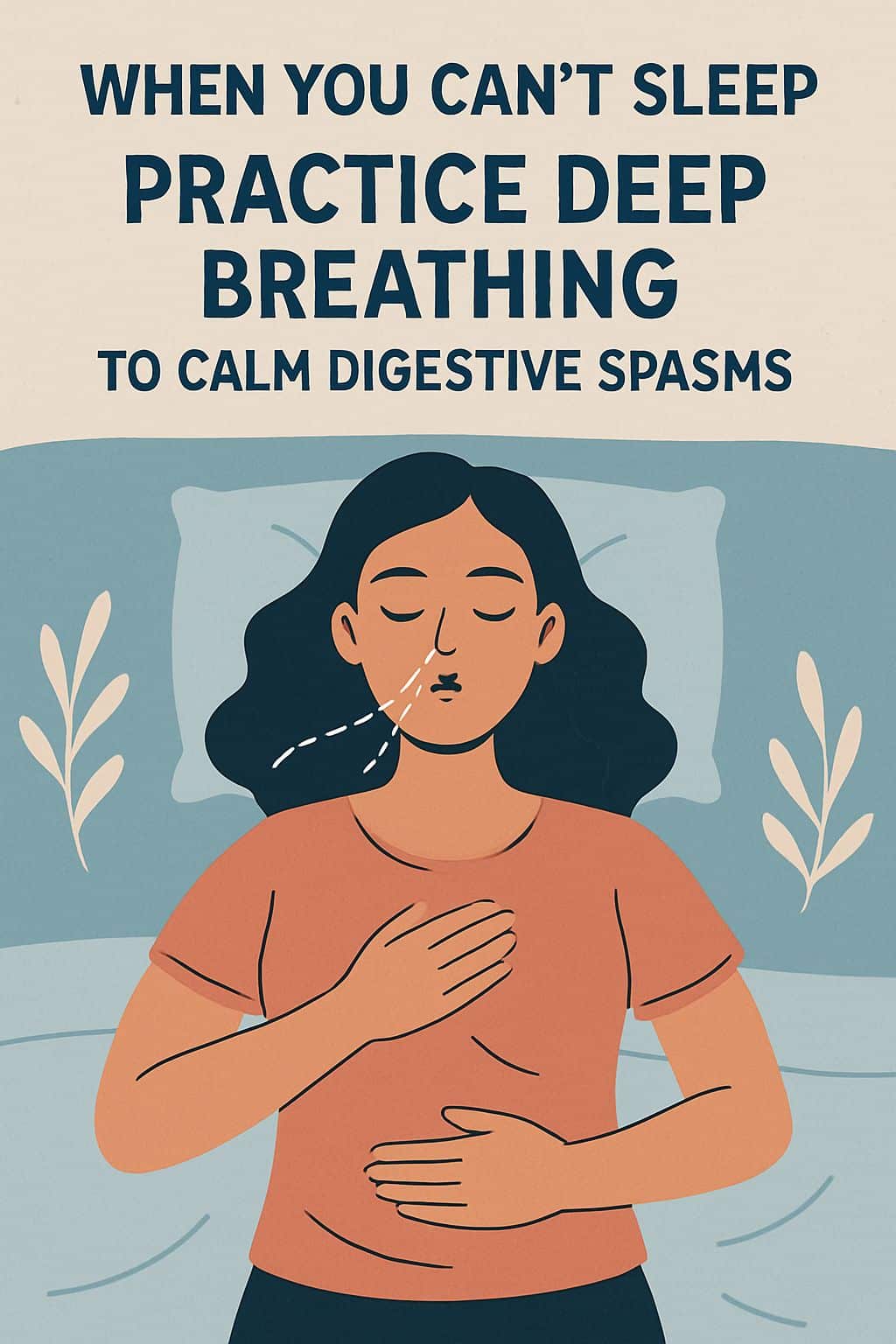
The diaphragm plays a crucial role in both breathing and digestive function. Diaphragmatic breathing exercises can reduce pressure on the stomach while activating the parasympathetic nervous system—the “rest and digest” mode that optimizes digestive function. Try 4-7-8 breathing: inhale for 4 counts, hold for 7, and exhale for 8 counts, repeating for 5 minutes before sleep.
This breathing pattern has been shown to reduce cortisol levels and muscular tension throughout the digestive tract. Higher cortisol is directly linked to increased acid production, so calming your nervous system also calms your stomach.
6. Apply a Warm Compress to Relieve Discomfort
Heat therapy increases blood flow to the digestive organs, helping to relax spasms and ease cramping. A heating pad or hot water bottle applied to the upper abdomen for 15-20 minutes can provide immediate relief while promoting the natural movement of food through your digestive system.
For enhanced benefits, add 2-3 drops of peppermint or ginger essential oil to a warm, damp washcloth. The aromatic compounds will be released by the heat, providing additional digestive support through aromatherapy while the warmth soothes muscular tension. If you’re curious about how essential oils can aid in relaxation, you might find this article on acupressure for sleep relaxation interesting.
7. Try Over-the-Counter Relief Options
When natural remedies aren’t enough, certain over-the-counter options can bridge the gap without requiring prescription medication. Chewable DGL (deglycyrrhizinated licorice) tablets soothe the esophageal lining and promote mucus production that protects against acid damage. Unlike antacids, DGL addresses the protective mechanisms rather than just neutralizing acid, offering a more balanced approach.
Dietary Changes That Promote Better Sleep and Digestion
What you eat affects both sleep quality and digestive comfort more directly than almost any other factor. Making strategic dietary adjustments can resolve persistent symptoms that might otherwise require medication. The key is understanding which foods support these interconnected systems and which create disruption. For those struggling with persistent issues, exploring the causes of sleep deprivation can provide valuable insights into dietary influences on sleep.
Rather than adopting an overly restrictive approach, focus on adding beneficial foods while gradually reducing your consumption of known triggers. This positive approach is more sustainable long-term and creates a health-promoting mindset instead of one focused on deprivation.
Foods That Fight Inflammation and Aid Sleep
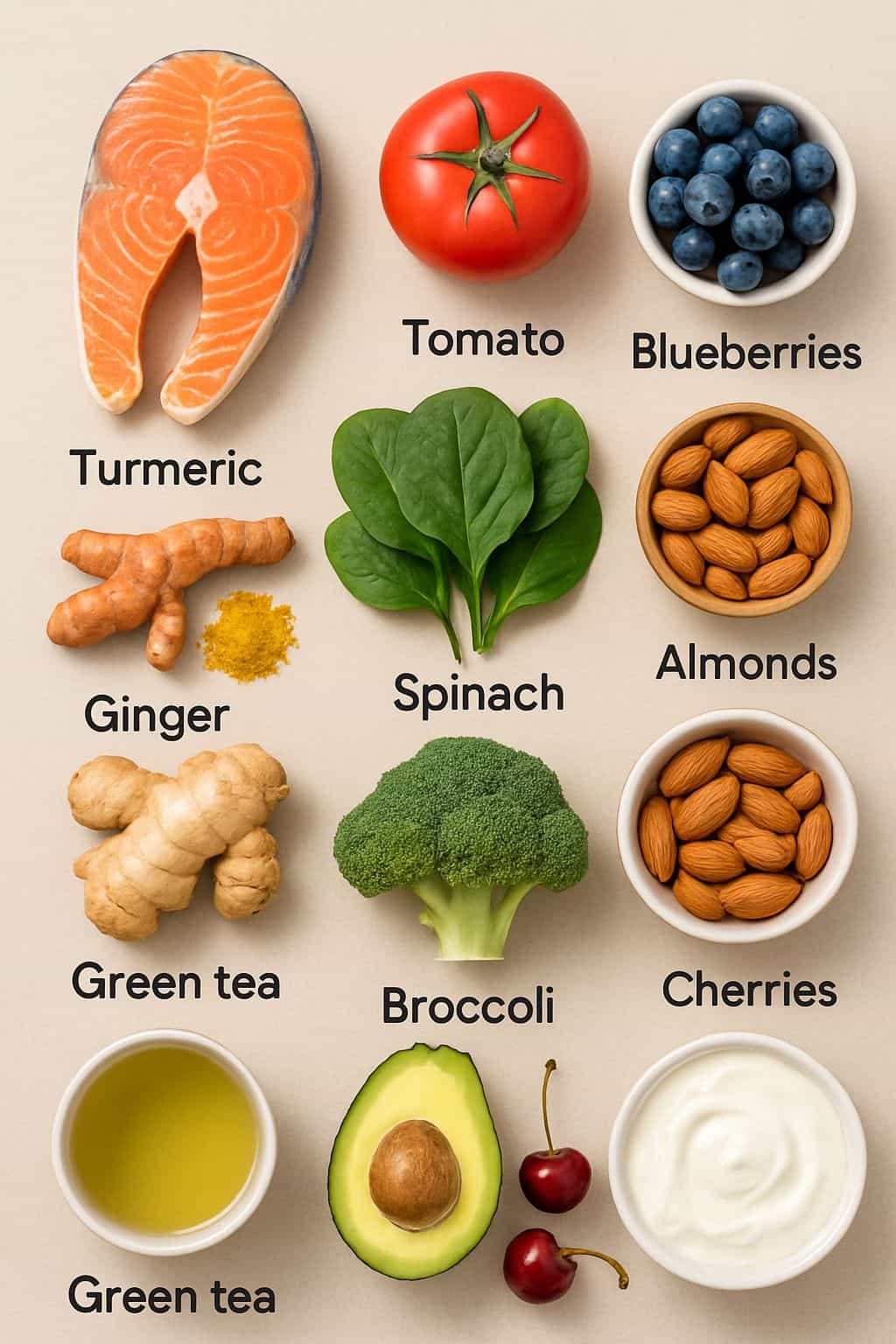
Certain foods contain compounds that actively reduce inflammation throughout the digestive tract while providing the building blocks for sleep-promoting neurotransmitters. Fatty fish like salmon provides omega-3 fatty acids that combat inflammation, while also supplying vitamin D and protein that support melatonin production. Tart cherries, kiwifruit, and walnuts contain natural melatonin along with magnesium and potassium that relax digestive muscles and support nervous system function. For more tips, explore better sleep strategies to enhance your nighttime rest.
Trigger Foods to Avoid Before Bedtime
The timing of certain foods matters almost as much as the foods themselves. Tomato-based products, citrus, chocolate, peppermint, alcohol, and caffeine all relax the lower esophageal sphincter, making reflux more likely. High-fat meals delay gastric emptying, meaning your stomach remains full for hours after eating, creating prime conditions for nighttime reflux.
Spicy foods stimulate acid production while irritating the esophageal lining, creating a double burden that can persist throughout the night. The capsaicin in hot peppers actually slows down the digestive process, keeping food in your stomach longer and increasing the likelihood of reflux when you lie down.
Even healthy foods like raw onions, garlic, and cruciferous vegetables can cause problems if consumed too close to bedtime. These foods contain compounds that, while beneficial in many ways, require more effort to digest and can produce gas that increases abdominal pressure. For more insights on how diet can affect sleep, you can explore the causes of sleep deprivation at night.
The Ideal Timing for Your Last Meal
Allow a minimum of three hours between your last substantial meal and bedtime to give your body time to move food from your stomach to your small intestine. This timing significantly reduces the volume of stomach contents available to reflux during sleep. If hunger strikes closer to bedtime, choose easily digestible options like a small banana with almond butter or a handful of pistachios, which actually contain sleep-supporting melatonin.
Hydration Strategies That Won’t Disrupt Sleep
Proper hydration supports digestive function, but timing matters. Front-load your water intake earlier in the day, then taper off in the evening to avoid both reflux and nighttime bathroom trips. Herbal teas like chamomile, lemon balm, and slippery elm make excellent evening options, providing gentle hydration along with compounds that soothe the digestive tract and promote relaxation.
Powerful Natural Remedies for Persistent Indigestion
Beyond immediate relief strategies, certain natural remedies can address the underlying causes of persistent indigestion. These approaches strengthen your digestive system over time, creating lasting improvements rather than just temporary symptom management. When used consistently, many people find they can reduce or eliminate their dependence on over-the-counter medications.
The most effective natural remedies work by supporting your body’s inherent healing mechanisms rather than simply suppressing symptoms. This holistic approach often resolves issues that conventional treatments may only mask.
Herbs That Soothe the Digestive System
Several herbs have demonstrated remarkable effectiveness for calming digestive distress through different mechanisms. Chamomile reduces spasms in the digestive tract while decreasing inflammation and encouraging healthy digestive secretions. A meta-analysis of clinical studies found that chamomile tea consumed regularly reduced symptoms of indigestion by up to 45% compared to control groups.
Marshmallow root creates a protective coating over irritated tissue in the esophagus and stomach, allowing healing to occur while preventing further damage from stomach acid. This demulcent herb can be consumed as a cold infusion (not hot tea) to preserve its soothing mucilage compounds. Simply add 1-2 tablespoons to room temperature water and let it sit for 4-8 hours before straining and drinking.
Slippery elm bark works similarly but adds the benefit of drawing toxins from the tissues through its absorbent properties. Available in powder form, it can be mixed with a small amount of honey and warm water to create a gruel-like consistency that coats and protects the entire digestive tract.
Essential Oils for Digestive Comfort
Certain essential oils offer powerful digestive support through their anti-inflammatory, antispasmodic and antimicrobial properties. Peppermint oil relaxes the digestive muscles while improving bile flow, which enhances fat digestion. For best results, look for enteric-coated peppermint capsules that bypass the stomach and release in the intestines where they’re most effective.
Fennel essential oil reduces gas and bloating while stimulating proper digestive secretions. Add 1-2 drops to 1 teaspoon of carrier oil and massage gently over the abdomen in a clockwise direction to support the natural flow of digestion. Ginger oil improves gastric emptying and reduces nausea when used similarly, making it especially helpful if your indigestion includes feelings of fullness or slow digestion. For additional tips, you can explore better sleep and digestion tips to alleviate symptoms.
The Benefits of Probiotics for Gut Health
The balance of bacteria in your gut significantly impacts both digestive function and sleep quality. Beneficial bacteria help break down food, regulate inflammation, and even produce sleep-promoting compounds like serotonin and melatonin. Studies show that multi-strain probiotics containing Lactobacillus and Bifidobacterium species can reduce symptoms of indigestion by improving gut barrier function and reducing inflammation.
Rather than relying solely on supplements, incorporate naturally fermented foods into your daily diet. Yogurt with live cultures, kefir, sauerkraut, kimchi and kombucha provide diverse probiotic strains along with organic acids that support healthy digestion. For maximum benefit, consume a small portion of fermented foods with each meal rather than larger amounts less frequently.
Supplements That Support Digestive Enzyme Production
Many cases of indigestion stem from insufficient digestive enzymes, particularly as we age. Supplemental enzymes can bridge this gap while your body rebuilds its natural production capacity. Look for broad-spectrum formulations containing amylase (for carbohydrates), lipase (for fats), and protease (for proteins), taking them 5-10 minutes before meals for optimal effectiveness. For those experiencing sleep issues due to indigestion, understanding the causes of sleep deprivation can also be beneficial.
Bitters like gentian, dandelion and artichoke extract stimulate your body’s natural enzyme production when taken 15 minutes before eating. These traditional digestives work by triggering the taste receptors that signal your digestive system to prepare for food. Even small amounts – just enough to taste the bitter flavor – can significantly improve digestion and reduce symptoms of indigestion.
Swedish bitters, a traditional European remedy, combines multiple bitter herbs into a tincture that supports comprehensive digestive function. Ten drops in a small amount of water before meals can dramatically improve digestive comfort and nutrient absorption.
Creating the Perfect Sleep Environment for Digestive Health
Your bedroom setup plays a surprisingly important role in both sleep quality and digestive comfort. Creating an environment that supports both these interconnected systems can provide significant relief without medication. Small adjustments to your sleep space, such as following tips for better sleep, can yield dramatic improvements in how you feel overnight and throughout the following day.
Bed Adjustments That Minimize Reflux
Beyond using wedge pillows or bed risers, consider a fully adjustable bed frame if reflux is a persistent problem. These allow you to customize your sleeping position precisely, finding the ideal elevation that prevents reflux without creating discomfort elsewhere in your body. Look for models that elevate from the waist up rather than just bending at the middle, which can actually increase abdominal pressure.
Your mattress firmness also impacts digestive comfort during sleep. Overly soft mattresses can create pressure points and uneven support that exacerbate reflux by creating unexpected angles in your torso. Medium-firm mattresses generally provide the best support for proper spinal alignment while allowing comfortable side sleeping, which is optimal for reducing reflux.
For a budget-friendly approach, specially designed triangular pillows that support your back while keeping you slightly inclined on your left side combine two powerful anti-reflux strategies in one solution. These positioning aids maintain proper alignment throughout the night even if you normally change positions frequently during sleep. To learn more about managing nighttime reflux, check out our article on nighttime GERD and sleep.
Temperature and Humidity Considerations
The ideal bedroom temperature for sleep is cooler than most people realize – between 65-68°F (18-20°C). This temperature range not only improves sleep quality but also supports proper digestive function by reducing overall inflammation in the body. Excessively warm sleeping environments increase core body temperature, which can worsen inflammation in the digestive tract and exacerbate symptoms of indigestion and reflux.
Humidity levels between 40-60% help maintain healthy mucous membranes throughout your respiratory and digestive systems. Overly dry air can dehydrate these protective barriers, making them more vulnerable to irritation and inflammation. During winter months or in dry climates, consider using a humidifier in your bedroom to maintain optimal moisture levels.
Stress-Reducing Bedroom Setup
Stress directly impacts both sleep quality and digestive function by triggering the release of cortisol and adrenaline, which increase stomach acid production while disrupting normal digestive rhythms. Remove work materials, electronic devices, and other stress triggers from your bedroom to create a sanctuary dedicated solely to rest and relaxation. The psychological effect of entering a space associated only with peaceful activities can help activate your parasympathetic nervous system, which governs both sleep and digestion.
Consider incorporating aromatherapy with lavender, chamomile, or sandalwood essential oils, which have been shown to reduce stress hormones while promoting the release of relaxing neurotransmitters. A diffuser with a timer function can disperse these calming scents as you prepare for sleep, creating multiple sensory cues that signal your body to shift into rest and digest mode.
When to Seek Medical Help for Nighttime Digestive Issues
While natural remedies effectively address many cases of nighttime indigestion, certain symptoms indicate a need for professional medical evaluation. Persistent or worsening symptoms despite consistent use of appropriate natural approaches suggest an underlying condition that may require different treatment.
Remember that even powerful natural remedies have their limits, and some digestive issues indicate serious conditions that require conventional medical intervention. Being aware of these warning signs can help you make informed decisions about when to escalate your care.
Warning Signs That Require Professional Attention
Difficulty swallowing or painful swallowing (dysphagia) may indicate damage to the esophagus from chronic acid exposure or other more serious conditions. This symptom should never be ignored, as it can lead to malnutrition and may signal precancerous changes in some cases.
Unexplained weight loss accompanying digestive symptoms raises concerns about malabsorption or more serious gastrointestinal conditions that prevent proper nutrient utilization. Even modest unintentional weight loss (5-10 pounds) over a few months warrants medical evaluation when accompanied by digestive symptoms.
Tests Your Doctor May Recommend
An upper endoscopy allows direct visualization of your esophagus, stomach, and duodenum to identify inflammation, ulcers, hernias, or other structural issues that might cause nighttime digestive discomfort. This outpatient procedure typically takes less than 30 minutes and provides valuable information that can guide treatment decisions.
Esophageal pH monitoring measures acid exposure in your esophagus over a 24-48 hour period, helping to correlate your symptoms with actual reflux events. Modern versions use a small wireless capsule temporarily attached to your esophagus, allowing you to maintain normal activities while gathering this critical data. For more information on managing symptoms, consider exploring nighttime GERD and sleep strategies.
Prescription Options for Severe Cases
Proton pump inhibitors (PPIs) reduce acid production more effectively than over-the-counter options for severe or persistent reflux. While not ideal for long-term use due to potential nutrient absorption issues, they can provide necessary relief while you implement dietary and lifestyle changes that address root causes. For those dealing with nighttime reflux, understanding the relationship between GERD and sleep can be crucial in managing symptoms effectively.
Prokinetic medications improve the movement of food through your digestive system, addressing delayed gastric emptying that contributes to reflux and indigestion. These prescription options can be particularly helpful for people with diabetic gastroparesis or other conditions that slow digestive motility.
Your 7-Day Plan for Better Sleep and Digestion
Implementing all these changes at once can feel overwhelming, so this structured 7-day plan introduces key interventions gradually. Each day builds on the previous one, allowing your body to adjust while providing progressive improvement in both sleep quality and digestive comfort. Start on a weekend when you have more control over your schedule, and track your symptoms daily to identify which changes provide the most significant benefits for your unique situation.
Frequently Asked Questions
Many people have similar questions about the relationship between sleep and digestion. These evidence-based answers address the most common concerns while providing practical guidance you can implement immediately. For more insights, check out our article on nighttime GERD and sleep.
Can stress cause both sleep problems and indigestion?
Yes, stress activates your sympathetic nervous system (fight-or-flight response), which diverts blood away from your digestive organs while increasing stomach acid production. This same stress response inhibits melatonin production and keeps your brain in an alert state incompatible with restful sleep.
Chronic stress can create a persistent state of digestive disruption by altering gut motility, increasing inflammation, and changing the composition of your gut microbiome. These effects can continue even after the immediate stressor has passed, creating ongoing issues with both digestion and sleep.
How long before bedtime should I stop eating to prevent reflux?
For most people, a 3-hour buffer between your last meal and bedtime significantly reduces the risk of nighttime reflux. This timeframe allows your stomach to empty approximately 90% of its contents into the small intestine, minimizing the volume available for potential reflux when you lie down.
Which sleeping position is best for reducing acid reflux at night?
Left-side sleeping with your upper body slightly elevated creates optimal positioning for minimizing reflux. This position keeps your stomach below the level of your esophagus, using gravity to help prevent stomach contents from flowing upward.
Avoid sleeping on your right side, which positions your stomach above your esophagus, or on your back, which can increase pressure on your diaphragm and lower esophageal sphincter. If you must sleep on your back, elevation becomes even more important—use a wedge pillow or adjustable bed to raise your entire torso, not just your head. For more tips on improving your sleep quality and reducing acid reflux, check out these tips for better sleep.
Some people benefit from placing a body pillow behind their back when side sleeping to prevent rolling onto their back during the night. This gentle physical reminder helps maintain the optimal position throughout your sleep cycles.
Are there any exercises that can improve digestion before sleep?
Gentle yoga poses like Child’s Pose, Cat-Cow stretches, and supine spinal twists help stimulate digestive organs and release trapped gas while activating the parasympathetic nervous system. Practice these movements 1-2 hours after your last meal and at least 30 minutes before bed for optimal benefits.
Diaphragmatic breathing exercises improve the function of this important muscle that separates your chest and abdominal cavities. By strengthening the diaphragm, you may improve the function of the lower esophageal sphincter, which shares some muscle fibers with the diaphragm and plays a crucial role in preventing reflux.
Can certain medications make nighttime indigestion worse?
Several common medications can exacerbate nighttime digestive discomfort through different mechanisms. NSAIDs like ibuprofen and aspirin irritate the stomach lining and increase acid production, while certain blood pressure medications, particularly calcium channel blockers, can relax the lower esophageal sphincter, making reflux more likely.
Some sleep medications, ironically, can worsen indigestion by relaxing muscles throughout the body, including the digestive tract. This relaxation can compromise the function of valves that normally prevent reflux, potentially making your symptoms worse despite improved sleep onset. For more insights, you might want to explore causes of sleep deprivation and how they relate to digestive issues.