Author name: Joy Healey

Qualified as a nutritionist with The Institute for Optimum Nutrition. A 3 year course in the United Kingdom. Please note, the nutritional qualification is NOT a medical qualification. If you have medical conditions, you should always consult your registered medical practitioner rather than relying on anything you read on my site.

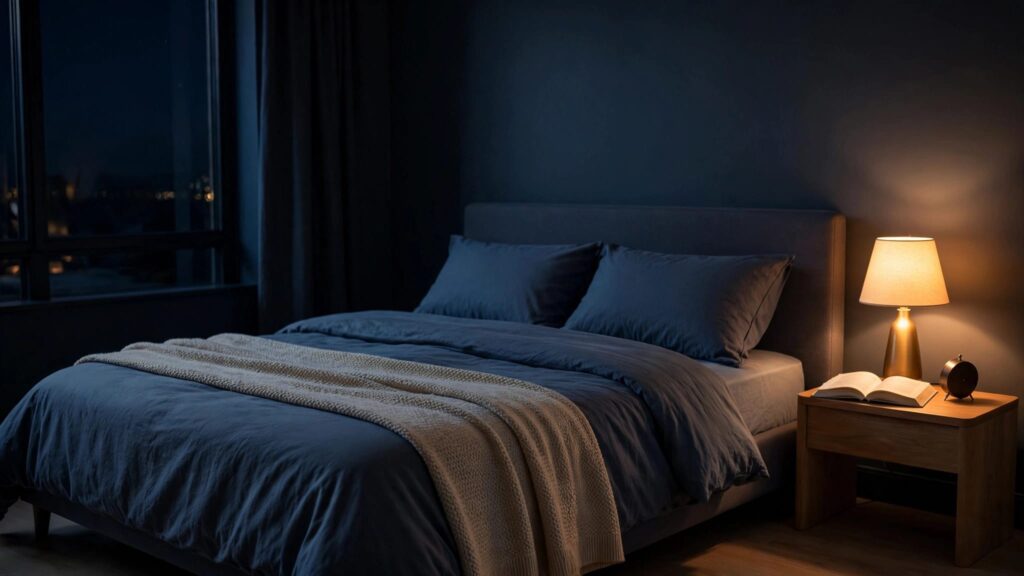
Relaxed adult lying in bed beneath moonlight and a warm bedside lamp.

Autogenic Training Sleep for Racing Thoughts at Bedtime

When your body feels tired but your mind keeps replaying tomorrow’s tasks, sleep can feel out of reach. A short autogenic training sleep routine gives your attention a quieter place to land. This method uses calm mental phrases that invite a gentle shift toward feeling heavy and warm. It won’t force sleep, but it offers […]

Autogenic Training Sleep for Racing Thoughts at Bedtime Read More »

A tidy bedroom with aligned slippers, an alarm clock, and sunlight through sheer curtains.

How a Consistent Wake Time Helps Reset Chronic Insomnia

When sleep won’t settle, an earlier bedtime can feel like a second shift. A dependable wake-up time gives your brain a clearer message: morning starts at a reliable point, even after a rough night. That sleep routine won’t cure chronic insomnia overnight. However, it can stop the daily tug-of-war that leaves your internal clock unsure

How a Consistent Wake Time Helps Reset Chronic Insomnia Read More »

Relaxed adult resting in a moonlit bed beside a warm bedside lamp.

Guided Imagery Sleep: A Beginner Routine for Restless Nights

At 2 a.m., a thinking mind can turn a quiet bedroom into a meeting room. Guided imagery sleep gives that mind a gentle sensory task while your body has time to settle. Rather than forcing sleep, treat the practice as an invitation to rest attention on safe, ordinary sensory details, not a test or guarantee

Guided Imagery Sleep: A Beginner Routine for Restless Nights Read More »

Coffee cup and glowing alarm clock beside a journal in a bedroom.

Find Your Personal Caffeine Cutoff for Better Sleep

That afternoon cup of coffee can still be active when you are staring at the ceiling at midnight. A personal caffeine cutoff for sleep helps you protect your bedtime without giving up every enjoyable morning cup. Most people do well when they stop caffeine 8 to 12 hours before bed, but your best time depends

Find Your Personal Caffeine Cutoff for Better Sleep Read More »

A steaming bathtub glows beside candles, towels, and a bath tray at twilight.

Can a Warm Bath Help You Fall Asleep Faster?

Your body needs to cool down before sleep can take hold. A well-timed bath may support falling asleep faster by encouraging that cooling, even though it leaves your skin feeling pleasantly warm. If racing thoughts and long stretches of clock-watching are familiar, a warm bath sleep routine is a low-risk experiment worth trying. It won’t

Can a Warm Bath Help You Fall Asleep Faster? Read More »

Woman practicing tai chi beside a bedroom window at dusk.

Tai Chi Before Bed: Calm Ritual or Sleep Disruptor?

A restless body can keep a busy mind switched on long after the lights go out. For many people, Tai Chi before bed feels like a gentler option than another sleep supplement or a late-night workout. Its slow pace can ease tension, yet timing and intensity matter. Integrating bedtime tai chi into your evening bedtime routine

Tai Chi Before Bed: Calm Ritual or Sleep Disruptor? Read More »

Scroll to Top