
Melissa officinalis, better known as lemon balm, is a soft, lemon-scented herb that many people try when sleep feels out of reach. If you want a non-prescription option for a busy mind at bedtime, this plant often comes up because it’s linked with calm, stress relief, and gentle bedtime support.
Lemon balm isn’t a magic fix for insomnia. It may help some people relax, but better sleep usually comes from using the right tool in the right way. That starts with knowing what this herb is, how it may work, and where the limits are.
Key Takeaways
- Melissa officinalis is the herb lemon balm, and it’s often used in teas, tinctures, and sleep supplements.
- People usually try lemon balm for stress-related sleep trouble, especially when tension or racing thoughts keep them awake.
- Research on lemon balm and sleep is promising but limited, so it makes sense to keep expectations realistic.
- A warm cup of lemon balm tea can support a bedtime routine, while capsules and extracts offer more concentrated forms.
- Side effects are usually mild, but drowsiness, stomach upset, and drug interactions can happen.
- Lemon balm works best as one part of a sleep routine, not as the only answer for ongoing insomnia.
What Melissa officinalis is and why people use it at night
Melissa officinalis is a member of the mint family. The leaves are small, green, and slightly wrinkled, and they release a fresh lemon smell when you rub them. The plant has been grown around the Mediterranean for a long time, and now it’s common in US gardens and herbal products.
People reach for it at night because it has a calm reputation. That doesn’t mean it will knock you out. Instead, many people use it because bedtime can be hard when stress stays switched on. General overviews, such as Cleveland Clinic’s lemon balm guide, describe it as a soothing herb often used for sleep, anxiety, and digestive discomfort.
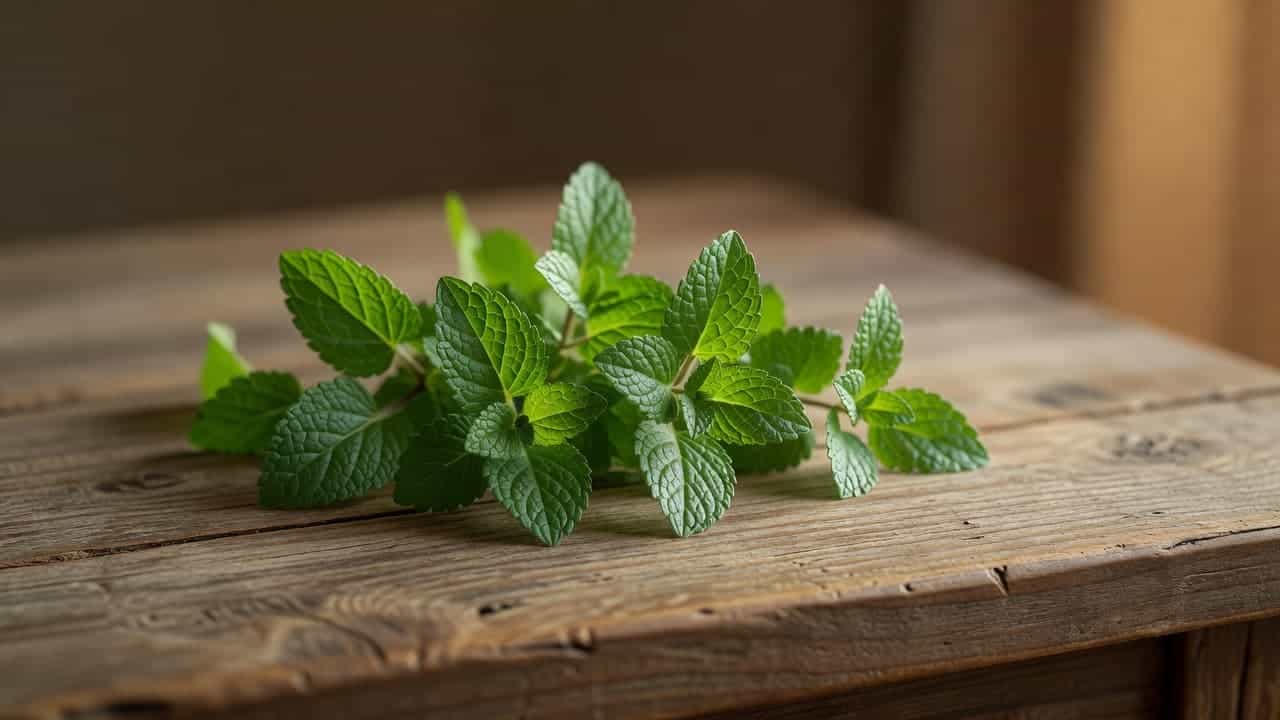
Lemon balm, bee balm, and the plant behind the name Melissa officinalis
This is where people may trip up. Melissa officinalis is lemon balm. It is not the same as bee balm, which usually refers to Monarda species. Both can attract pollinators, and both belong to the mint family, but they are different herbs.
If you’re buying a supplement for sleep, check the label for the full botanical name. That keeps you from guessing, so that you know what you’re taking.
What parts of the plant are used in teas, extracts, and supplements
The leaves are the part most often used. They may be fresh or dried in tea, or processed into tinctures, extracts, and capsules. Some products use the above-ground parts of the plant, but leaves are still the star ingredient in most sleep-related formulas.
For bedtime use, tea is the mildest option. Extracts and capsules can be more concentrated, so the label matters more.
How Melissa officinalis may support sleep and a calmer mind
Lemon balm seems most helpful when sleep problems are tied to stress, tension, or a restless mind. If your body feels tired but your brain won’t settle, a calming herb can make sense. The goal isn’t heavy sedation. The goal is to lower the mental noise enough for sleep to happen more easily.
Why calming the nervous system may help you fall asleep faster
Sleep doesn’t start well when your mind is still in daytime mode. If you’re tense, alert, or stuck replaying tomorrow’s to-do list, your body may stay too activated for sleep. A herb that promotes relaxation may help lower that edge.
Some researchers think lemon balm may affect brain chemicals linked with calm, including GABA-related activity. The exact picture is still being studied, so it’s better to think of this herb as a possible helper, not a guaranteed switch.
What current research suggests about lemon balm and sleep quality
The research is encouraging, but it isn’t ironclad. A review of clinical studies on lemon balm found potential benefits for anxiety, mood, and sleep quality, yet the studies varied a lot in size, product type, and dose. That makes it hard to promise the same result for every person.
A separate American Botanical Council report on a placebo-controlled study also described better sleep outcomes in people taking lemon balm than in the placebo group. That’s useful, but it’s still one piece of the puzzle.
When Melissa officinalis may be more helpful than a stronger sleep aid
Lemon balm may fit people who want a gentler option and who don’t need a hard sedative effect. It makes the most sense for mild sleep trouble, especially when worry and mental tension are part of the problem.
Lemon balm is better suited to a restless mind than to severe, long-running insomnia.
If you have intense insomnia, panic symptoms, heavy snoring, or sleep loss tied to pain, it may not be enough on its own. Reports for clinicians, including Psychiatry Advisor’s coverage of lemon balm and sleep disorders, usually frame it as a calming aid, not a replacement for stronger medical treatment when that treatment is needed.
The best ways to use Melissa officinalis before bed
The form you choose changes the experience. Tea feels gentle and familiar, while capsules and tinctures are easier if you want something more consistent.
Lemon balm tea for a simple bedtime ritual
Tea is a good starting point because it’s low-pressure. Many people drink it about 30 to 60 minutes before bed. The warm cup helps, too, because routine matters almost as much as the herb itself.
The taste is light, citrusy, and slightly minty. If you already use chamomile at night, lemon balm often feels like it belongs in the same part of your evening.
Capsules, tinctures, and extracts, what to know before buying
The main forms differ in strength and convenience. This quick comparison helps.
| Form | What it’s like | What to watch for |
|---|---|---|
| Tea | Mild, easy, soothing ritual | Lower strength, may vary by brew |
| Capsules | Simple and portable | Check exact amount and plant name |
| Tincture | Fast and flexible to measure | Strong taste, alcohol in some products |
| Extract | More concentrated | Big differences in potency between brands |
Start with the label directions, not guesswork. If you’re sensitive to sleep aids, a lower starting amount is the safer move.
How to choose a product with the right quality and ingredients
Look for Melissa officinalis on the label, not just “proprietary blend.” It also helps when the product lists the plant part used and the amount per serving. Third-party testing is a plus, and seals from groups such as NSF or USP can add confidence when they’re available.
If your goal is to see whether lemon balm helps your sleep, skip crowded blends at first.
A product with ten herbs may sound impressive, but it makes it hard to tell what is helping, or what is causing side effects.
Possible side effects, risks, and who should be careful
Lemon balm is often well tolerated, but “natural” doesn’t mean risk-free. Bedtime herbs still affect the body, and some people feel that more than others.
Common side effects that can happen with lemon balm
The most common issues are fairly mild. Some people notice drowsiness, stomach upset, or a headache. Others feel fine at night but a little foggy the next morning.
Of course, drowsiness at the right time is good. Somach ache or headache, definitely not the desired effect.
That risk rises if you combine lemon balm with alcohol or other calming products.
Medication interactions and health situations to check first
Use extra care if you take sedatives, sleep medicine, anti-anxiety drugs, or thyroid medication. Lemon balm may not mix well with every sleep stack, even if each item seems gentle on its own.
Pregnancy, breastfeeding, and chronic health conditions are good reasons to ask a doctor or pharmacist first. The same goes for people managing depression, seizures, or hormone-related issues.
Why timing and dose matter if you want to avoid grogginess
More is not always better. A stronger dose or a late-night second serving can leave you sleepy the next morning. That’s a bad trade if you already feel worn down.
Try it early enough to judge how your body responds. If tea works for you, great. If a concentrated extract leaves you dull the next day, switch forms or stop.
Simple ways to build lemon balm into a sleep routine
Lemon balm works best when it supports habits that already point your body toward sleep. If the rest of your evening is loud, bright, and caffeinated, the herb has a harder job.
Pairing Melissa officinalis with good sleep habits
Use it alongside dimmer lights, less screen time, and a steady bedtime. Keep caffeine earlier in the day. Also, make your room cool, dark, and boring in the best way.
That kind of routine tells your brain that the day is ending.
Lemon balm can fit into that pattern, but it can’t replace it.
How long to try it before deciding if it helps
Some people notice a calming effect the first night. Others need several nights before they can tell whether it’s doing anything useful. Because sleep changes from night to night, one rough night doesn’t mean the herb failed.
Give it at least a week of steady use, then look at the pattern. Track how long it takes to fall asleep, how often you wake up, and how you feel in the morning.
FAQ
Is Melissa officinalis the same as lemon balm?
Yes. Melissa officinalis is the botanical name for lemon balm.
Does lemon balm make you sleepy right away?
Usually not in a dramatic way. Many people describe it as calming rather than strongly sedating.
Can you take lemon balm every night?
Some people do, but nightly use still deserves a quick safety check. If you take medications or have health conditions, ask a clinician first.
Can lemon balm be taken with melatonin?
Some people combine them, but both can add to drowsiness. Start carefully, and ask a pharmacist if you also use other sleep products.
A balanced way to use lemon balm
Melissa officinalis, or lemon balm, is a gentle herb that may help when stress and mental tension keep sleep out of reach. It makes the most sense as a calming bedtime aid, not as a cure for serious insomnia.
If it helps you settle down, keep it in a simple routine and pay attention to timing, dose, and product quality. When sleep trouble keeps going, gets worse, or starts affecting daily life, talking with a healthcare professional is the smarter next step.